What Happens When Your Car's Defect Only Appears During Long-Distance Drives?
This article explains why some vehicle defects appear only during long-distance drives, including engine overheating, transmission issues, electrical failures, and loss of power. It highlights the importance of documenting symptoms, requesting thorough diagnostic testing, and keeping detailed repair records. If repeated repairs fail to resolve the problem, reviewing warranty coverage and seeking qualified legal guidance may help drivers understand their options.
By Vishal

A car may seem perfectly reliable during daily commutes and short trips, yet develop noticeable problems after an hour or more on the road. The engine may overheat, the transmission may hesitate, warning lights may appear, or the vehicle may lose power at highway speeds. These intermittent issues can be frustrating, especially when the symptoms disappear before the vehicle reaches a repair shop.
When a vehicle defect occurs only during long-distance drives, identifying the underlying cause can be challenging. A lemon law lawyer can help vehicle owners understand their legal options when recurring defects remain unresolved despite repeated repair attempts. Understanding how these problems develop, documenting symptoms, and keeping detailed repair records can help drivers protect their safety and determine the appropriate next steps.
Why Do Some Car Defects Appear Only During Long Drives?
Not every vehicle problem becomes apparent immediately after starting the engine. Some defects develop as temperatures rise, components experience prolonged stress, or the vehicle operates at sustained highway speeds.
Short trips may not provide enough time for these conditions to occur. As a result, a vehicle can pass a brief test drive without revealing the problem that affects it during longer journeys.
Several factors may contribute to these defects:
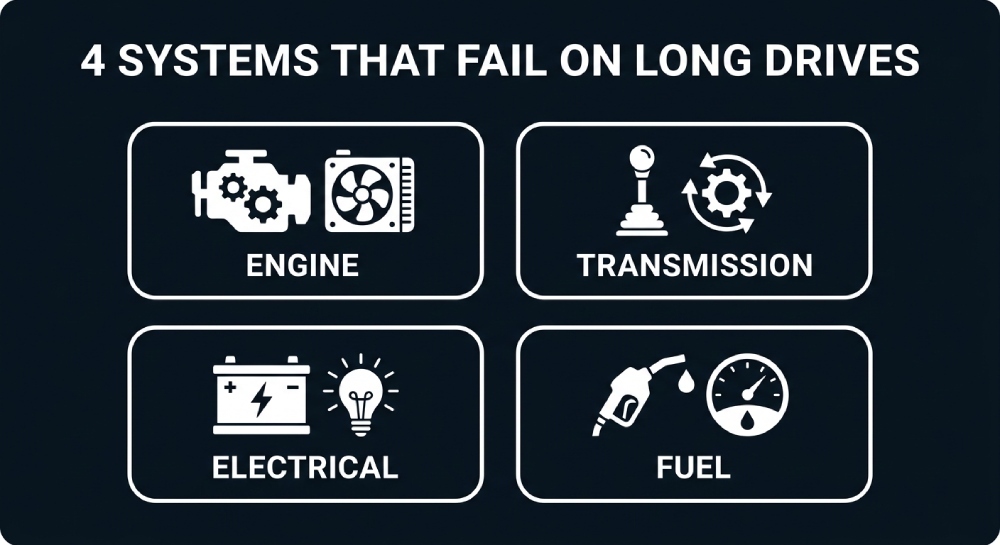
1. Engine Overheating After Extended Driving
Cooling system problems may remain unnoticed during short trips but become apparent when the engine operates continuously for an extended period.
A faulty thermostat, damaged radiator, malfunctioning cooling fan, or coolant leak may prevent the engine from maintaining a suitable temperature. The temperature gauge may gradually rise during a highway journey, even if it remains normal during everyday driving.
Ignoring repeated overheating can lead to significant engine damage. Drivers should stop in a safe location if the vehicle shows signs of severe overheating and follow the manufacturer's safety guidance.
2. Transmission Problems Under Sustained Stress
Transmission defects can become more noticeable after the vehicle has been running for a long time. Drivers may experience delayed gear changes, slipping, unusual vibrations, or difficulty maintaining consistent acceleration.
Possible causes include fluid-related problems, worn components, or electronic control issues. However, these symptoms do not automatically identify a particular failed part. A qualified technician must investigate the underlying cause.
3. Electrical and Electronic System Failures
Some electrical problems appear only after components become hot or operate continuously. Sensors, wiring connections, control modules, and charging system components may behave inconsistently under certain conditions.
Drivers might notice warning lights, dashboard malfunctions, intermittent power loss, or features that stop working during long journeys.
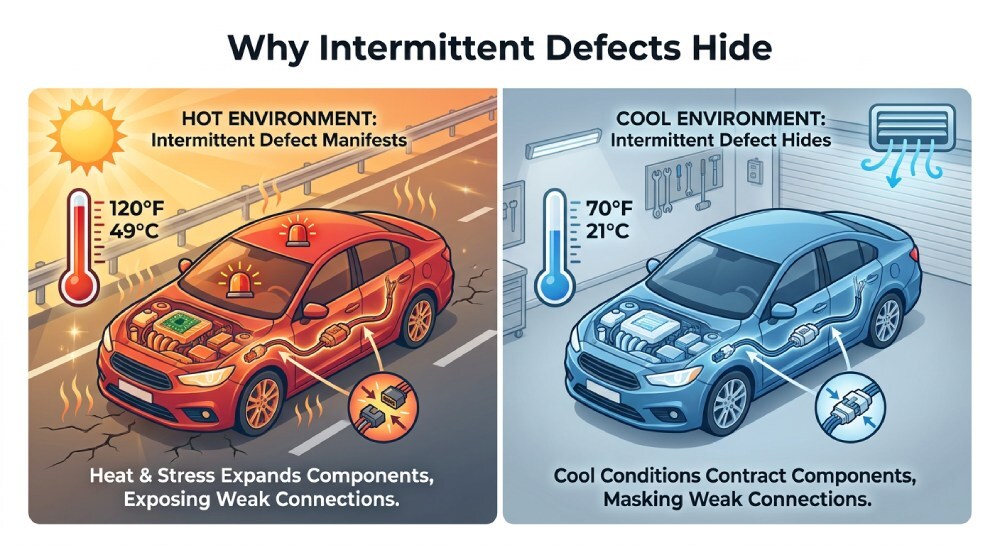
Because these symptoms may disappear after the vehicle cools down or restarts, identifying the problem can require diagnostic testing under conditions similar to those in which it originally occurred.
4. Fuel Delivery and Engine Performance Issues
A vehicle may run smoothly at lower speeds but hesitate, misfire, or lose power when sustained acceleration or highway driving places greater demands on the engine.
Potential causes include fuel delivery restrictions, ignition system faults, sensor problems, or other engine performance issues.
These symptoms deserve attention because unexpected power loss can create dangerous situations, particularly when merging into traffic or overtaking another vehicle.
Why Can These Defects Be Difficult to Diagnose?
Intermittent vehicle problems can be challenging because technicians may not observe the symptoms during an initial inspection. If the vehicle operates normally in the workshop, a brief diagnostic session may not reveal the conditions responsible for the failure.
The Problem May Disappear Before Inspection
Some defects occur only when specific temperatures, speeds, loads, or driving durations are reached. Once the vehicle stops and cools down, the symptoms may disappear temporarily.
This can make it difficult to reproduce the problem during a standard test drive.
Drivers should explain precisely when the defect occurs rather than simply reporting that the vehicle sometimes malfunctions.
Diagnostic Codes May Not Tell the Whole Story
Modern vehicles use electronic systems to monitor many operating conditions. When a fault occurs, the system may store diagnostic trouble codes or other relevant information.
However, not every intermittent defect generates a warning light or a stored code. A technician may need to review available data, inspect physical components, and perform additional testing.
A normal dashboard display does not necessarily mean the vehicle is free from defects.
The Vehicle May Need Extended Testing
When the symptoms occur only after prolonged driving, a technician may need to conduct a longer road test or evaluate the vehicle under specific operating conditions.
The goal is to reproduce the circumstances in which the problem occurs without creating unnecessary safety risks.
Providing detailed information about the defect can help the repair facility choose appropriate diagnostic procedures.
What Should You Do When a Defect Appears During Long-Distance Driving?
Drivers should take recurring vehicle problems seriously, even when the car seems normal again after stopping.
The following steps can help establish a clearer record of the issue.
1. Document the Symptoms
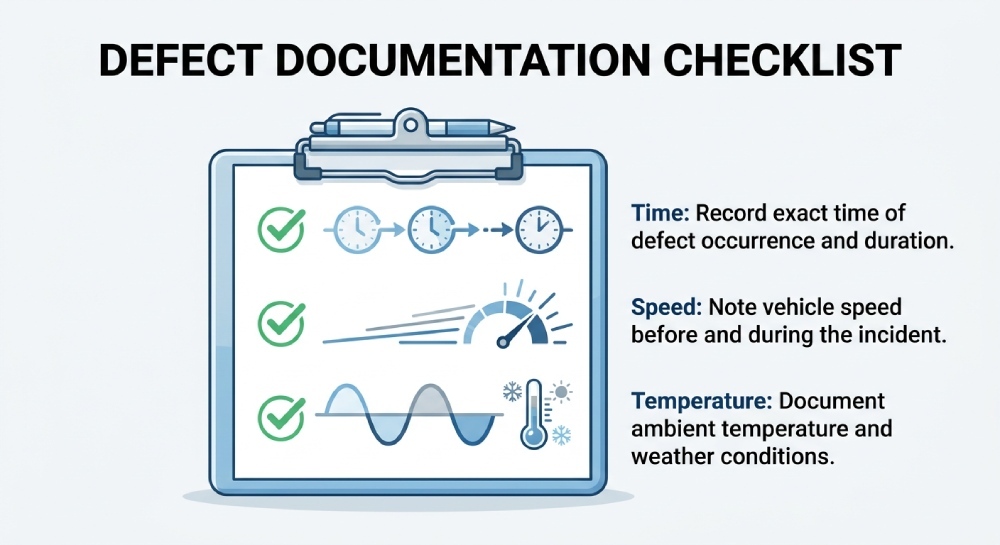
Record what happens before, during, and after the defect appears. Include details such as:
How long the vehicle had been running before the problem started.
Approximate driving speed and road conditions.
Whether the engine was under heavy load or operating in hot weather.
Any warning lights, unusual sounds, vibrations, smells, or changes in performance.
Whether the symptoms disappeared after stopping, restarting, or allowing the vehicle to cool down.
These details can help technicians identify patterns that might otherwise be overlooked.
2. Request a Detailed Inspection
Explain that the problem occurs during extended driving rather than only during startup or short trips.
Ask the repair facility to document the reported symptoms, diagnostic findings, tests performed, and recommended repairs.
If the technician cannot reproduce the defect, request that the repair order accurately reflect the complaint and the inspection results.
3. Keep Every Repair Record
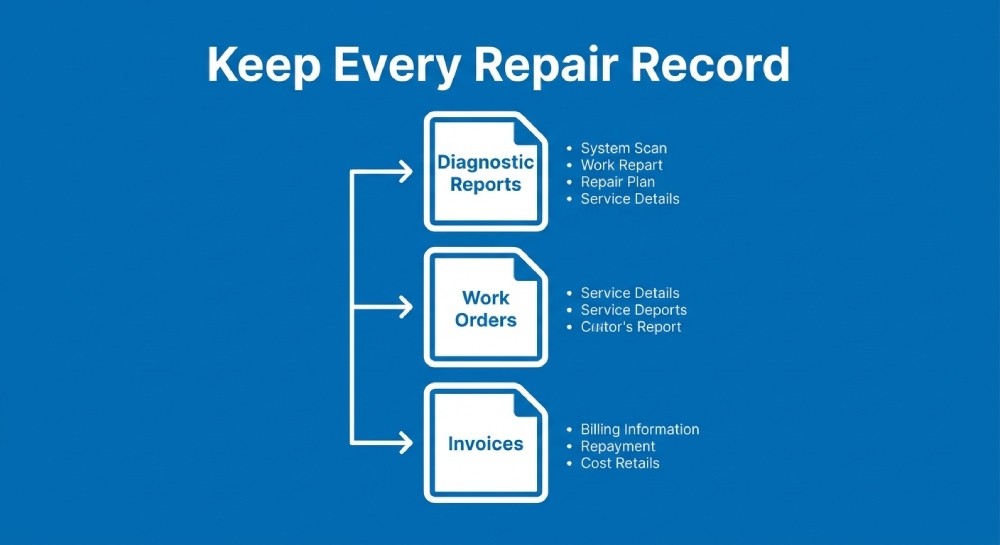
Maintain copies of invoices, work orders, diagnostic reports, and relevant communications with the dealership or repair facility.
Even when a technician reports that no fault was found, the visit may still be important documentation of the recurring problem.
Organized records can help establish when the issue began, how frequently it occurs, and whether previous repair attempts addressed the same symptoms.
4. Avoid Repeatedly Driving an Unsafe Vehicle
A defect that appears only at highway speeds may create a serious risk, particularly if it involves braking, steering, overheating, or unexpected loss of power.
If the vehicle develops dangerous symptoms, stop in a safe place and arrange professional assistance when necessary. Do not deliberately recreate a potentially hazardous problem just to collect evidence.
What Happens If the Problem Continues After Repairs?
A recurring defect can become especially frustrating when the vehicle has been inspected or repaired several times without a lasting solution.
A repair may address one symptom without correcting the underlying cause. Alternatively, the initial diagnosis may not identify the actual component or system responsible for the problem.
Repeat Repairs May Reveal an Ongoing Pattern
If the same symptoms return after a repair, explain this clearly when bringing the vehicle back for service.
Compare the latest symptoms with earlier repair records. For example, a vehicle that repeatedly loses power after extended driving may have a documented history of similar complaints, even if different components were inspected during each visit.
The repair history can help technicians determine whether further testing or a different diagnostic approach is necessary.
Ask for Clear Written Explanations
When a problem remains unresolved, request written information about the findings and the work performed.
Useful documentation includes:
The original complaint and when it occurs.
Diagnostic procedures and results.
Parts repaired or replaced.
Whether the reported defect was reproduced.
Recommendations for further inspection or repair.
Clear records can reduce misunderstandings and help establish what has already been attempted.
Can a Persistent Driving Defect Raise Legal Concerns?
Yes. Depending on the vehicle's warranty, the nature of the defect, applicable consumer protection laws, and the repair history, a recurring problem may raise questions about the manufacturer's repair obligations or the remedies available to the owner.
A defect does not necessarily become legally significant simply because it appears during long-distance driving. The circumstances matter, including how the problem affects vehicle use, value, or safety and whether the manufacturer or its authorized repair facility has had reasonable opportunities to address it.
Why Repair Documentation Matters
Detailed records can help demonstrate that the owner reported the issue, sought repairs, and continued experiencing the same or related symptoms.
Relevant evidence may include repair orders, warranty documents, diagnostic reports, written communications, and a timeline of recurring failures.
Drivers concerned about an unresolved defect can review their warranty terms and seek qualified legal guidance to understand their options. Eligibility for a particular remedy depends on the applicable law and the specific facts.
How Can Drivers Protect Themselves in the Long Term?
Although not every intermittent defect can be prevented, drivers can take practical steps to make problems easier to identify and address.
Follow the manufacturer's maintenance schedule.
Pay attention to unusual changes in engine temperature, handling, braking, or acceleration.
Report recurring symptoms promptly rather than waiting for a more serious failure.
Keep repair records organized and accessible.
Describe the conditions under which the defect appears.
Follow professional advice about whether the vehicle is safe to continue driving.
Most importantly, do not dismiss a recurring problem simply because the vehicle performs normally on the next trip.
Conclusion
When a car's defect appears only during long-distance drives, diagnosing the problem may require more than a routine inspection. Heat, sustained engine load, transmission operation, and intermittent electrical faults can all contribute to symptoms that develop after extended driving.
Documenting the circumstances, requesting appropriate diagnostic testing, and maintaining complete repair records can help drivers communicate effectively with technicians and track unresolved issues. If repeated repair attempts fail, reviewing the vehicle's warranty and seeking appropriate professional guidance may help clarify the next steps.
A vehicle that performs normally during short trips is not necessarily free from defects. Recognizing recurring symptoms and addressing them promptly can help protect both vehicle reliability and driver safety.
- car defects
- long-distance driving
- recurring car problems
- vehicle diagnostics
- engine overheating
- transmission problems
- electrical system failures
- vehicle repair records
- warranty claims
- lemon law
- vehicle safety
- car repair attempts
Think you've got a lemon?
Compare your situation to your state's requirements — and connect with a vetted lemon-law attorney for a free case review.