Do You Need A Lawyer For Lemon Law Arbitration? What Vehicle Owners Should Know
This article explains why hiring a lemon law lawyer can be beneficial during arbitration, even though legal representation is not always required. It highlights how an attorney can help vehicle owners review repair records, organize evidence, challenge manufacturer arguments, negotiate settlements, and understand their legal options. It also discusses when legal assistance is particularly valuable, the challenges of handling arbitration independently, and the key differences between arbitration and court proceedings.
By Vishal
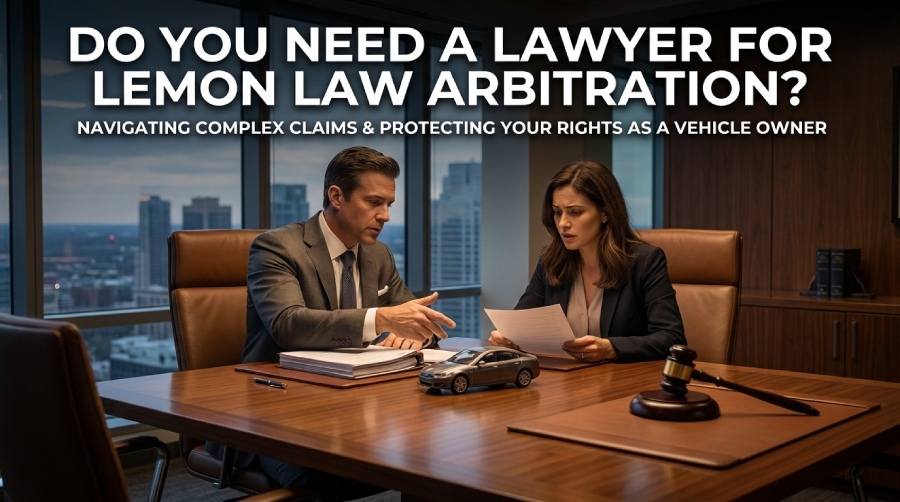
When a vehicle develops recurring defects that affect its safety, performance, or reliability, dealing with the manufacturer can become frustrating. Even after several repair attempts, the same problems may continue, leaving vehicle owners uncertain about their legal options. Lemon law arbitration is one way to resolve disputes between consumers and vehicle manufacturers without going through a traditional court trial.
However, participating in arbitration can involve complicated procedures, technical evidence, legal arguments, and manufacturer representatives. This raises an important question: Do you need a lawyer for lemon law arbitration? Although legal representation is not always mandatory, having an experienced lawyer can make a significant difference in how a claim is prepared, presented, and resolved.
What Is Lemon Law Arbitration?
Lemon law arbitration is a dispute resolution process that allows vehicle owners to present complaints about defective vehicles before a neutral third party. The arbitrator reviews the available evidence, listens to both sides, and determines whether the dispute meets the applicable requirements.
The process is generally designed to provide an alternative to lengthy court proceedings. Depending on the arbitration program, the decision may be binding or nonbinding.
During arbitration, the vehicle owner may need to demonstrate that:
- The vehicle has a substantial defect affecting its use, safety, or value.
- The manufacturer or authorized repair facility has had reasonable opportunities to address the problem.
- The defect has continued despite repair attempts or has kept the vehicle out of service for an extended period.
- The manufacturer has been given appropriate documentation and an opportunity to respond.
Understanding these requirements is essential before submitting an arbitration claim.
Do You Need a Lawyer for Lemon Law Arbitration?
In many arbitration programs, vehicle owners can represent themselves without hiring an attorney. The process may be designed to accommodate consumers who want to explain their experiences and provide supporting documents independently.
However, being allowed to represent yourself does not necessarily mean doing so is the best option.
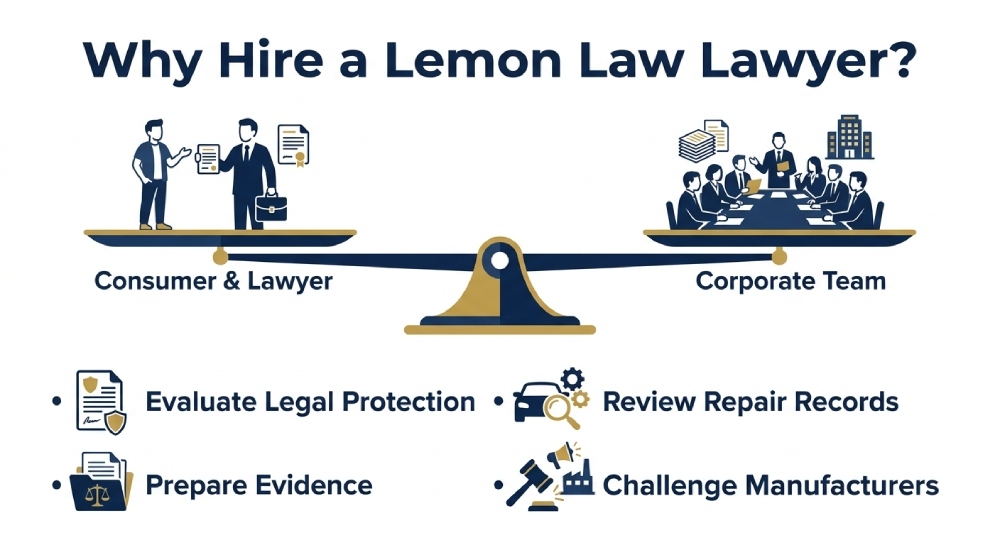
Manufacturers often have experienced legal teams, technical specialists, and representatives who understand arbitration procedures. An individual vehicle owner may find it difficult to challenge technical explanations, identify weaknesses in the manufacturer's response, or present legal arguments effectively.
A lemon law lawyer can help level the playing field by:
- Evaluating whether the vehicle's problems qualify for legal protection.
- Reviewing repair orders and maintenance records.
- Identifying missing or inconsistent documentation.
- Preparing evidence for the arbitration hearing.
- Challenging inaccurate statements made by the manufacturer.
- Explaining potential remedies and settlement options.
Legal representation can be particularly valuable when the manufacturer disputes the existence, seriousness, or history of the vehicle's defects.
When Should You Consider Hiring a Lemon Law Lawyer?
Not every vehicle defect requires legal representation. However, certain circumstances can make professional assistance especially important.
1. The Manufacturer Denies Responsibility
Manufacturers may argue that a vehicle's problems result from improper maintenance, normal wear and tear, outside damage, or driver behavior rather than a manufacturing defect.
These arguments can complicate an arbitration claim. A lawyer can review the available records, examine the manufacturer's explanation, and identify evidence that supports the consumer's position.
2. The Vehicle Has Repeated Repair Problems
Recurring defects can create complicated questions about repair attempts, diagnostic findings, and whether the manufacturer had sufficient opportunities to correct the issue.
An attorney can organize the repair history into a clear timeline and explain how repeated unsuccessful repairs support the claim.
3. The Manufacturer Offers an Unsatisfactory Settlement
Sometimes, manufacturers propose settlements that may not fully address the consumer's losses or legal rights.
Before accepting an offer, vehicle owners should understand what they are agreeing to. A lawyer can evaluate the proposed terms, explain possible financial implications, and help determine whether further negotiation is appropriate.
4. The Defect Involves Vehicle Safety
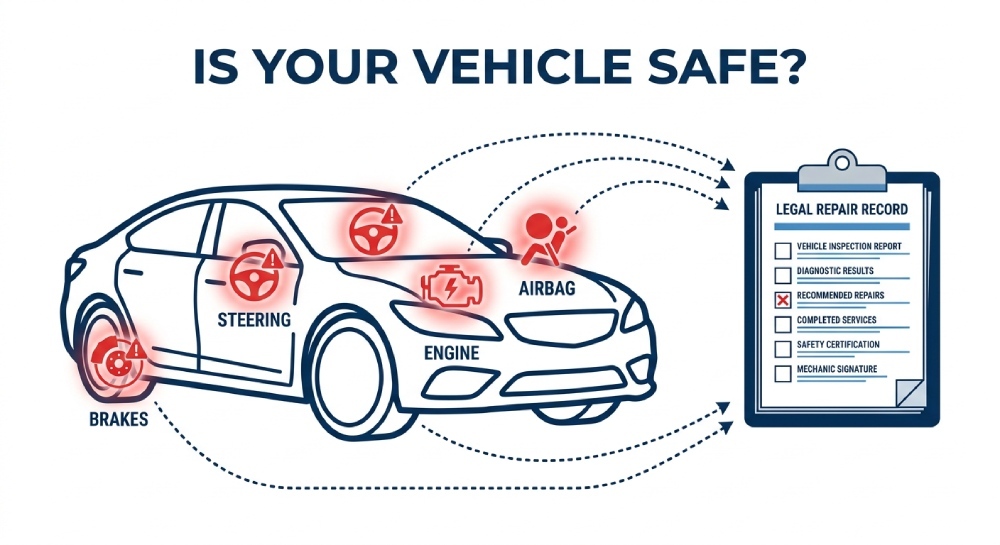
Issues involving brakes, steering, airbags, engine performance, electrical systems, or other critical components can pose serious risks to vehicle safety.
These claims may require additional technical evidence and careful documentation. Legal assistance can help connect the available repair records, diagnostic reports, and safety-related complaints to the overall claim.
How Can a Lawyer Help Prepare for Lemon Law Arbitration?
Preparation is one of the most important parts of a successful arbitration claim. A well-organized presentation helps the arbitrator understand what happened, how frequently the defect occurred, and what steps were taken to resolve it.
An experienced lawyer can assist with several important stages.
Reviewing Repair Orders and Vehicle Records
Repair orders provide valuable information about the vehicle's history. They can show when a problem was reported, what inspections were performed, which parts were replaced, and whether the same complaint appeared during multiple visits.
A lawyer may review:
- Repair invoices and service records.
- Warranty documents and purchase agreements.
- Diagnostic reports and inspection findings.
- Manufacturer correspondence.
- Records showing how long the vehicle remained unavailable for use.
These documents help establish a consistent history of the reported problems.
Organizing Evidence for the Hearing
Presenting evidence in a clear and logical order can make a claim easier to understand. An attorney can arrange supporting documents chronologically and identify the most relevant information.
For example, a vehicle owner experiencing recurring transmission problems may have multiple repair orders documenting unsuccessful repairs. Organizing these records can help demonstrate that the issue was persistent rather than an isolated incident.
Preparing Legal Arguments
Arbitration is not simply an opportunity to describe a frustrating vehicle ownership experience. The claimant must connect the facts to the applicable legal requirements.
A lawyer can explain why the defect may qualify for protection, address potential objections, and present arguments supported by the available evidence.
What Happens If You Handle Arbitration Without a Lawyer?
Representing yourself may be a reasonable option when the defect is well documented, the manufacturer acknowledges the repair history, and the dispute involves relatively straightforward facts.
However, self-representation also comes with responsibilities.
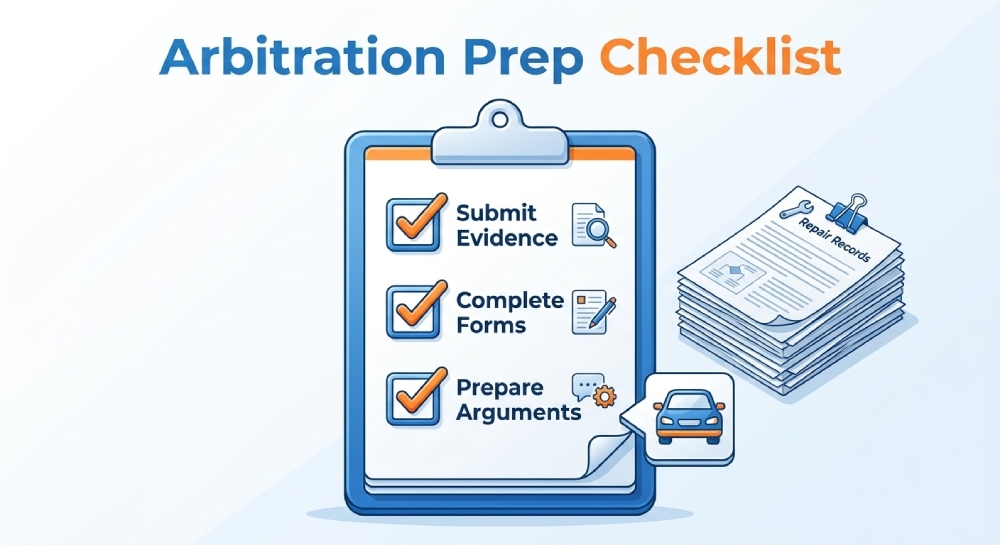
Vehicle owners may need to:
- Understand the arbitration program's eligibility requirements.
- Complete application forms accurately.
- Submit evidence before applicable deadlines.
- Prepare a clear explanation of the vehicle's problems.
- Respond to the manufacturer's arguments.
- Understand the consequences of accepting or rejecting an arbitration decision.
One common mistake is relying entirely on verbal explanations without providing sufficient written evidence. Another is overlooking important repair records or failing to explain how individual repair visits relate to the ongoing defect.
Without proper preparation, important details may be missed during the hearing.
Questions to Ask Before Hiring a Lemon Law Lawyer
Choosing legal representation requires more than finding someone who handles vehicle-related disputes. Vehicle owners should look for an attorney who understands lemon law claims, arbitration procedures, and manufacturer negotiations.
Consider asking the following questions:
- How much experience do you have handling lemon law arbitration?
- What documents should I collect before filing a claim?
- How do you evaluate whether a vehicle qualifies for protection?
- What potential remedies may be available?
- Will you personally handle my case or assign it to another representative?
- How are attorney fees and other legal costs handled?
- What happens if arbitration does not resolve the dispute?
These questions can help you understand the attorney's experience, approach, and ability to handle your particular situation.
Is Lemon Law Arbitration Better Than Going to Court?
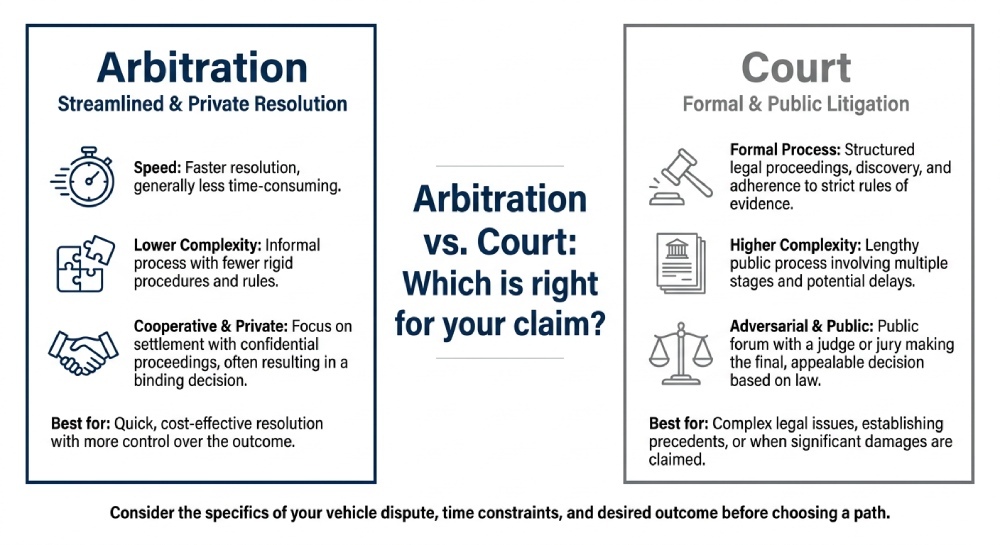
Arbitration and litigation offer different ways to resolve vehicle defect disputes. The appropriate option depends on the circumstances of the claim, the applicable legal requirements, and the available dispute resolution procedures.
Arbitration may offer a more streamlined process, potentially reducing the time and complexity associated with traditional litigation. It can also provide an opportunity to resolve disputes without a full court trial.
However, arbitration may have limitations involving the type of decision issued, available remedies, and opportunities to challenge the outcome.
Before choosing a resolution method, vehicle owners should understand:
- Whether arbitration is voluntary or required under the applicable program.
- Whether the decision is binding or nonbinding.
- Whether accepting the decision affects other legal rights.
- What alternatives remain available if the dispute is unresolved.
A qualified lawyer can explain these differences and help evaluate the most appropriate approach.
Final Thoughts: Should You Hire a Lawyer for Lemon Law Arbitration?
You may not always need a lawyer to participate in lemon law arbitration, but professional legal guidance can be valuable when a vehicle defect is repeatedly unresolved, the manufacturer disputes responsibility, or the proposed settlement does not adequately address your concerns.
Understanding your rights, maintaining detailed repair records, and preparing a well-supported claim are essential steps toward resolving a vehicle defect dispute.
Before proceeding, consider reviewing your vehicle's repair history and understanding the arbitration program's requirements. Consulting an experienced lemon law lawyer can help you evaluate your options, avoid procedural mistakes, and make informed decisions about how to pursue your claim.
- lemonlawarbitration
- lemonlawyer
- vehicledefectclaims
- lemonlawrights
- arbitrationprocess
- defectivevehicles
- manufacturerdisputes
- vehiclerepairrecords
- legalrepresentation
- lemonlawprotection
- consumerrights
- lemonlawclaims
Think you've got a lemon?
Compare your situation to your state's requirements — and connect with a vetted lemon-law attorney for a free case review.