Can a Car Qualify as a Lemon if the Defect Disappears After a Software Update?
The article explains that a car may still qualify as a lemon even if a software update appears to fix the defect. Eligibility depends on the severity of the original problem, its impact on vehicle safety, use, or value, the repair history, and applicable lemon law requirements. Keeping repair records and documenting recurring issues can help vehicle owners understand their legal options.
By Vishal
Modern vehicles rely on software to control essential systems, including engine performance, transmission operation, infotainment features, driver assistance technology, and safety functions. When something goes wrong, a manufacturer may recommend a software update instead of replacing a physical component. In some cases, the update appears to resolve the issue, leaving drivers wondering whether their vehicle can still qualify as a lemon.
A car may still qualify as a lemon even if a software update temporarily or apparently fixes the defect. Eligibility depends on the nature of the problem, its impact on the vehicle's use, safety, or value, the repair history, and the requirements of the applicable lemon law. A successful update may be relevant evidence, but it does not automatically erase the history of a recurring or serious vehicle defect.
1. How Software Updates Can Affect Vehicle Defects
Automotive software updates are designed to correct programming errors, improve system performance, address compatibility problems, and resolve certain electronic malfunctions. While many updates work as intended, others may provide only a temporary solution or fail to address the underlying cause.
For example, a driver might experience sudden hesitation during acceleration, repeated dashboard warnings, malfunctioning driver assistance features, or an infotainment system that freezes while driving. A dealership may diagnose the issue as a software-related problem and install an update.
If the symptom disappears afterward, the repair may be considered successful. However, the outcome should be evaluated alongside the vehicle's earlier problems and repair records.
Common Vehicle Problems That Software Updates May Address
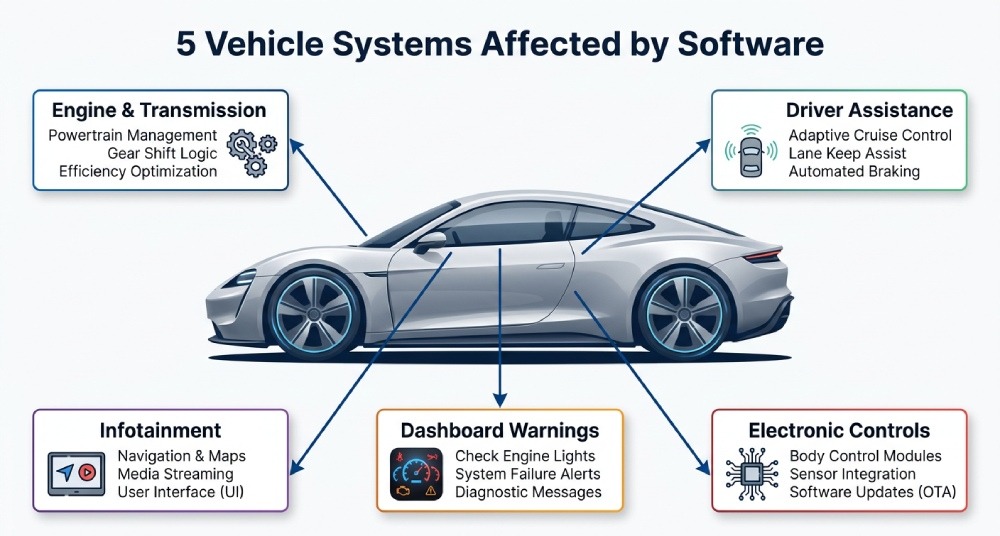
Software-related defects can affect several vehicle systems, including:
Engine and transmission performance: Incorrect programming may contribute to hesitation, rough shifting, delayed acceleration, or inconsistent power delivery.
Driver assistance systems: Software faults may affect adaptive cruise control, lane-keeping assistance, parking sensors, or collision warning functions.
Dashboard warnings: Faulty software may trigger warning lights or error messages even when the underlying component is not physically damaged.
Infotainment and connectivity: Repeated system crashes, navigation failures, and connectivity interruptions may interfere with normal vehicle operation.
Electronic controls: Software problems may affect functions such as climate control, digital displays, or other electronically managed features.
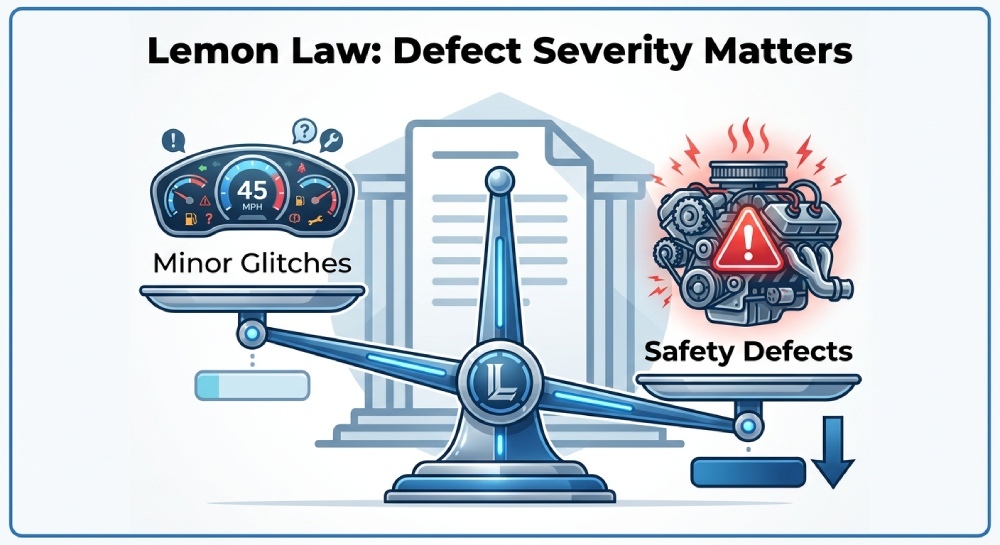
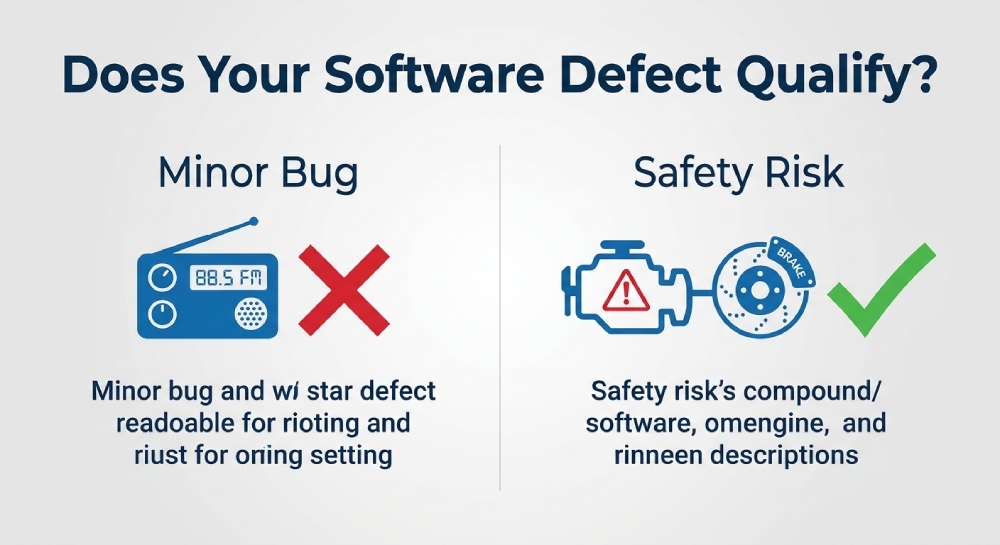
The legal significance of each problem depends on its seriousness and consequences. An occasional entertainment system glitch may be treated differently from a software defect that interferes with braking assistance or engine performance.
2. Does a Successful Software Update Eliminate a Lemon Law Claim?
Not necessarily. Lemon law eligibility generally depends on whether a vehicle meets the applicable legal requirements, not simply on whether the latest repair appears successful.
A software update that permanently corrects a minor inconvenience may weaken a claim if the vehicle no longer has a qualifying defect and the repair history does not satisfy other applicable requirements. However, a successful update does not automatically prevent a claim when the vehicle previously experienced a substantial problem.
The Severity of the Original Defect Matters
The original malfunction may be important even after the symptoms disappear. A defect that creates a safety concern or significantly affects the vehicle's operation can have greater legal significance than a minor feature malfunction.
Consider a vehicle that repeatedly loses power while merging into traffic. After several unsuccessful repair visits, the manufacturer installs a software update, and the vehicle appears to operate normally.
The owner should still preserve records showing:
When the power loss first occurred.
How frequently the problem happened.
Whether the malfunction created a safety concern.
How many repair attempts were made.
What the dealership diagnosed and changed.
Whether the manufacturer acknowledged the issue.
These details can help establish the seriousness and history of the defect, even if the latest repair appears successful.
The Applicable Legal Requirements Still Apply
Lemon laws differ in how they evaluate repair attempts, time out of service, substantial defects, and manufacturer opportunities to repair a vehicle. Some laws also provide specific procedures or presumptions when particular conditions are met.
A vehicle does not automatically qualify as a lemon merely because it previously had a software problem. Likewise, the disappearance of a symptom does not automatically disqualify it.
The key question is whether the facts satisfy the legal requirements that apply to the vehicle and the claim.
3. What If the Defect Returns After the Update?
A recurring defect can be especially important when evaluating a potential lemon law claim. If the same malfunction returns after a software update, the repair may not have resolved the underlying problem.
For example, a vehicle may stop displaying transmission warnings immediately after an update but begin showing them again several weeks later. The recurrence could suggest that the original issue remains unresolved or that the update addressed only one part of a more complicated problem.
Signs That the Software Fix May Not Be Permanent
Drivers should pay attention to patterns that indicate an ongoing issue, such as:
The same warning light appearing again.
Acceleration or shifting problems returning.
Driver assistance features becoming unavailable without explanation.
Repeated system resets or unexpected shutdowns.
The dealership recommending additional updates for the same complaint.
New symptoms appearing alongside the original malfunction.
Not every recurring warning proves that a vehicle has a qualifying defect. However, repeated symptoms can provide useful evidence when considered with diagnostic findings and repair records.
Why Repeat Repair Attempts Matter
Multiple repair visits may demonstrate that the manufacturer or dealership had opportunities to address the problem. Depending on the applicable law, the number of attempts and the defect's effect on the vehicle may influence eligibility.
Owners should request a copy of the repair order after every visit, including visits where the dealership cannot reproduce the problem. A documented history can help distinguish a genuinely resolved issue from one that continues to affect the vehicle intermittently.
4. How to Document a Software-Related Vehicle Defect
Accurate documentation can make it easier to understand the repair history and evaluate whether a vehicle may qualify for lemon law protection.
Keep Every Repair Order
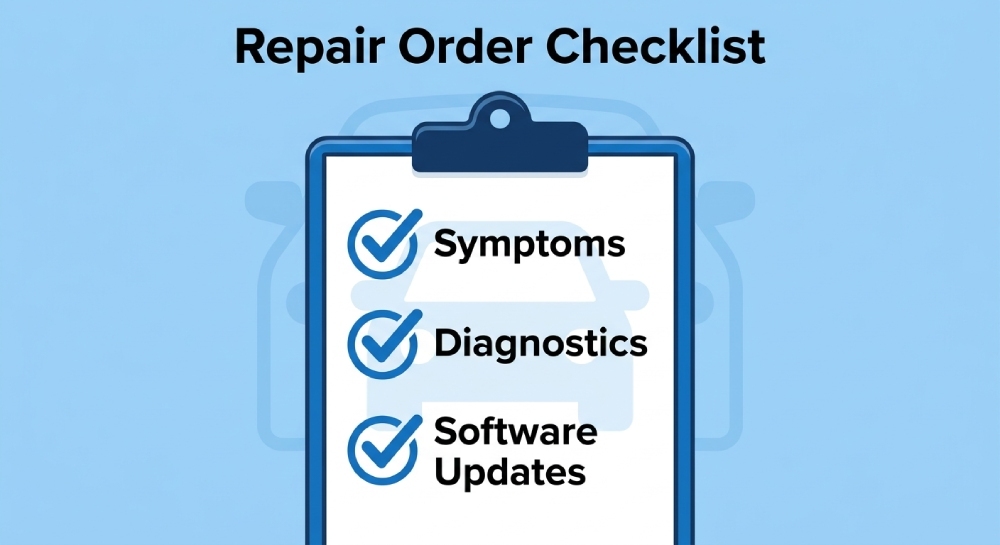
Repair orders should describe the reported symptoms, diagnostic results, software updates performed, and any recommendations made by the dealership. Review these documents to confirm that the original complaint is recorded accurately.
If the dealership identifies a software calibration issue, programming fault, or manufacturer-issued technical update, ask for that information to be included in the service records when available.
Maintain a Timeline of the Problem
Create a simple timeline covering the first occurrence, each repair visit, and any symptoms experienced after the update.
Include details such as:
The date the malfunction occurred.
The circumstances in which it appeared.
Any dashboard messages or warning lights.
The date and description of each repair.
Whether the issue disappeared, continued, or returned.
Photos, videos, diagnostic reports, and written communications with the manufacturer may also help document the issue.
Avoid Assuming the Problem Is Permanently Fixed
After an update, observe the vehicle's performance under normal and safe driving conditions. Do not deliberately recreate a dangerous malfunction to gather evidence.
If a safety-related problem returns, stop driving when appropriate and arrange for professional assistance. Documentation should never take priority over personal safety.
5. What Should You Do If the Update Appears to Fix the Defect?
If the vehicle seems to operate normally after a software update, take time to review the complete repair history before deciding whether further action is necessary.
Start by asking the dealership what the update was intended to correct and whether the manufacturer has issued any relevant service information. Keep a copy of the response and the final repair order.
Next, review whether the original problem caused significant inconvenience, affected safe operation, or required repeated repair visits. Consider whether the vehicle spent substantial time in the repair facility and whether similar complaints remain documented.
If the problem was serious or required multiple unsuccessful repair attempts, consider consulting a qualified lemon law attorney. An attorney can assess the repair records, the nature of the defect, and the legal requirements applicable to the claim.
6. Can a Software-Related Defect Support a Lemon Law Claim?
Yes, software-related defects can potentially support a lemon law claim when they meet the applicable legal standards. A defect does not necessarily need to originate in a mechanical component to affect a vehicle's safety, use, or value.
However, the existence of a software bug alone is not enough. The defect's practical consequences, repair history, persistence, and legal significance all matter.
A minor infotainment issue that disappears after one update may not meet the required threshold. By contrast, a recurring software malfunction that affects essential vehicle functions or creates a substantial safety concern may deserve closer evaluation.
The distinction lies in the evidence and the requirements of the applicable law, rather than whether the dealership labels the repair as a software update.
Final Thoughts
A car may still qualify as a lemon even when a software update appears to resolve the defect. The update is one part of the vehicle's repair history, not necessarily the final word on whether the original problem has legal significance.
Drivers should preserve repair orders, document recurring symptoms, and evaluate the seriousness of the original malfunction. If the defect affected safety, substantially interfered with vehicle use, or required repeated repair attempts, reviewing the available evidence with a qualified lemon law lawyer may help clarify the available options.
Ultimately, a successful software update does not automatically eliminate a potential lemon law claim. Whether the vehicle qualifies depends on the complete circumstances and the legal standards that apply.
- lemon law
- software update
- vehicle defects
- lemon law claim
- car software issues
- recurring vehicle defects
- vehicle repair history
- car warranty
- automotive software problems
- lemon law attorney
Think you've got a lemon?
Compare your situation to your state's requirements — and connect with a vetted lemon-law attorney for a free case review.