9 Overlooked Warning Signs That Your New Car May Be A Lemon
This article highlights nine overlooked warning signs that a new car may be a lemon, including recurring dashboard warnings, unusual noises, transmission issues, electrical failures, fluid leaks, braking problems, repeated repairs, extended dealership visits, and malfunctioning safety features. It also explains the importance of documenting defects, keeping repair records, and understanding your lemon law rights if problems persist despite multiple repair attempts.
By Vishal
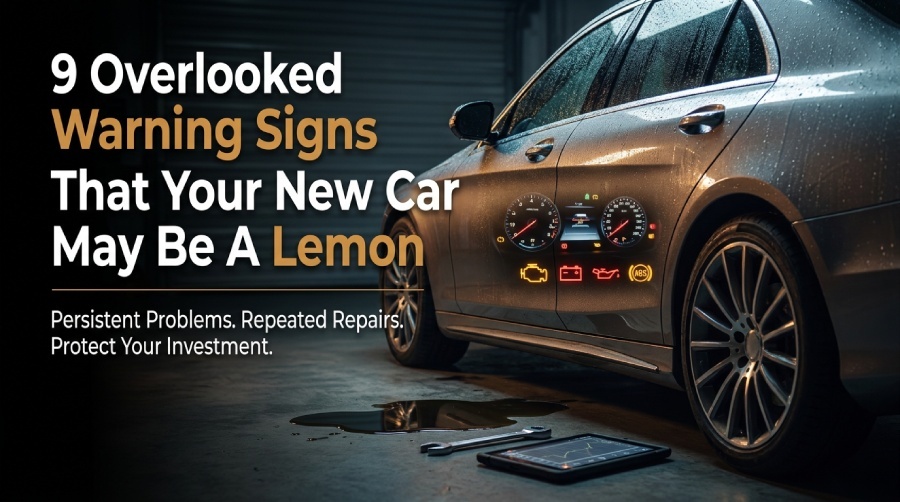
Buying a new car is an exciting experience. You expect reliable performance, modern features, comfortable driving, and years of trouble-free ownership. However, a vehicle that looks perfect at the dealership may develop recurring problems shortly after purchase. Some issues are immediately noticeable, while others appear gradually through unusual noises, inconsistent performance, or repeated visits to the repair shop.
A new vehicle experiencing a manufacturing defect does not automatically qualify as a lemon. However, persistent problems that affect its safety, usability, value, or reliability deserve attention. Recognizing early warning signs can help you document problems, seek appropriate repairs, and understand whether your vehicle may qualify for protection under applicable lemon law.
Here are nine overlooked warning signs that may indicate your new car is more problematic than expected.
1. Repeated Dashboard Warning Lights
Dashboard warning lights are among the easiest signs to overlook, especially when they disappear after restarting the vehicle. While some alerts indicate minor issues, recurring warnings may point to an underlying mechanical or electronic defect.
For example, you might notice:
Check engine lights appearing repeatedly.
ABS or traction control warnings without an obvious reason.
Battery or charging system alerts.
Airbag or supplemental restraint system warnings.
Electronic stability control notifications.
Even if a dealership resets the warning system, the problem may return. A recurring warning light should never be dismissed without identifying its underlying cause.
2. Unusual Engine Noises or Vibrations
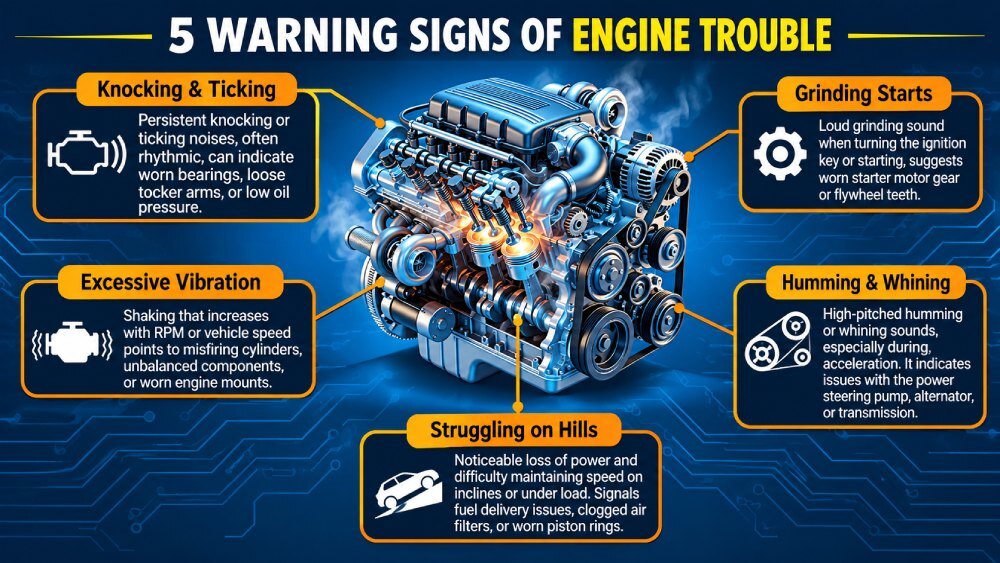
A new vehicle should generally operate smoothly. Unexpected sounds or vibrations may indicate problems with the engine, transmission, mounting components, or other mechanical systems.
Pay attention to unusual symptoms such as:
Knocking, rattling, or ticking sounds during acceleration.
Excessive vibration while idling.
Grinding noises when starting the engine.
Unusual humming or whining during normal driving.
Changes in engine sound when climbing hills.
Some vehicles produce normal operating sounds, but persistent or worsening noises deserve professional inspection. If the dealership repeatedly attempts repairs without resolving the same issue, maintain records of every service visit.
3. Transmission Hesitation or Unexpected Shifting
Transmission problems can be particularly concerning because they may affect acceleration, driving comfort, and vehicle safety.
A new car may show transmission-related warning signs through:
Delayed acceleration after pressing the accelerator.
Jerking or hesitation when changing gears.
Unexpected gear changes.
Rough shifting during normal driving.
Difficulty moving between reverse and drive.
These symptoms can occur in automatic and dual-clutch transmissions, although their causes vary.
Do not assume that unusual shifting is simply a normal characteristic of a new vehicle. Ask the dealership to investigate recurring symptoms and provide written documentation of its findings and repairs.
4. Electrical Problems That Affect Multiple Features
Modern vehicles depend on complex electrical systems to operate entertainment features, driver assistance technology, sensors, lighting, and essential vehicle controls.
An electrical defect may initially appear to be a minor inconvenience. However, repeated failures can affect several components and make the vehicle unreliable.
Look for issues such as:
Infotainment screens freezing or restarting.
Power windows or door locks operating inconsistently.
Headlights or interior lights flickering.
Backup cameras displaying a blank screen.
Sensors or driver assistance features becoming unavailable.
Battery draining unexpectedly.
When multiple electrical components malfunction, the underlying issue may involve wiring, software, control modules, or electrical connections. Repeated software updates or component replacements that fail to resolve the problem should also be documented.
5. Persistent Fluid Leaks or Unusual Odors
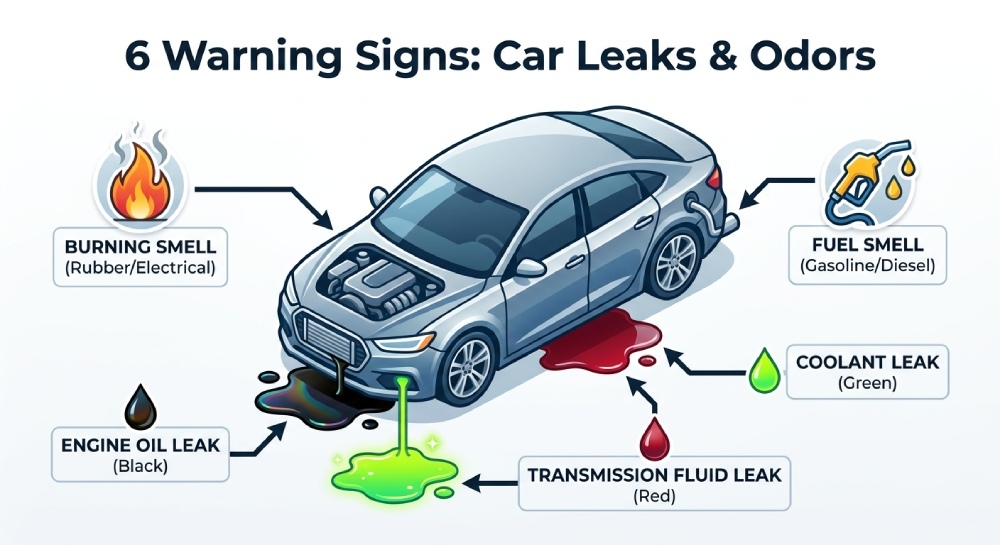
A new vehicle should not routinely leave unexplained fluid spots where it is parked. Similarly, unusual smells inside or around the vehicle may indicate a developing problem.
Watch for:
Oil spots underneath the engine area.
Coolant leaking near the radiator.
Transmission fluid around the vehicle's underside.
Burning smells after normal driving.
Strong fuel odors.
Persistent musty smells from the air conditioning system.
Not every fluid spot indicates a serious defect. For example, water dripping from an air conditioning system can be normal condensation. However, unexplained leaks, fuel smells, or recurring burning odors require prompt inspection.
If you suspect a fuel leak or another potentially dangerous condition, stop driving when it is safe to do so and arrange a professional inspection.
6. Braking Problems or Changes in Steering Performance
Brakes and steering systems are essential safety components. Even relatively subtle changes in their performance should receive immediate attention.
Potential warning signs include:
Brake pedals feeling unusually soft or hard.
Grinding or squealing sounds during braking.
The vehicle pulled to one side when stopping.
Steering wheel vibrations.
Difficulty maintaining a straight driving path.
Unusual steering resistance or looseness.
Although some vehicles require normal adjustments during their initial operating period, persistent braking or steering problems should not be treated as ordinary break-in behavior.
Because these systems directly affect vehicle control, ask an authorized repair facility to investigate any unusual symptoms promptly.
7. The Same Problem Returns After Multiple Repairs
One of the strongest warning signs is a recurring defect that continues despite several repair attempts.
For instance, a vehicle may repeatedly experience overheating, transmission hesitation, electrical failures, or engine warning lights. The dealership might replace components, update software, or perform adjustments, but the original complaint keeps returning.
Repeated repairs can indicate that the underlying cause has not been properly identified or corrected.
Keep track of:
The date of each repair visit.
The mileage when the vehicle was inspected.
The specific problem reported.
Parts replaced or repairs performed.
Whether the problem returned after service.
The number of days the vehicle remained unavailable.
A detailed repair history can help establish whether a defect is persistent and whether the vehicle has experienced substantial reliability problems.
8. Your New Car Spends Too Much Time at the Dealership
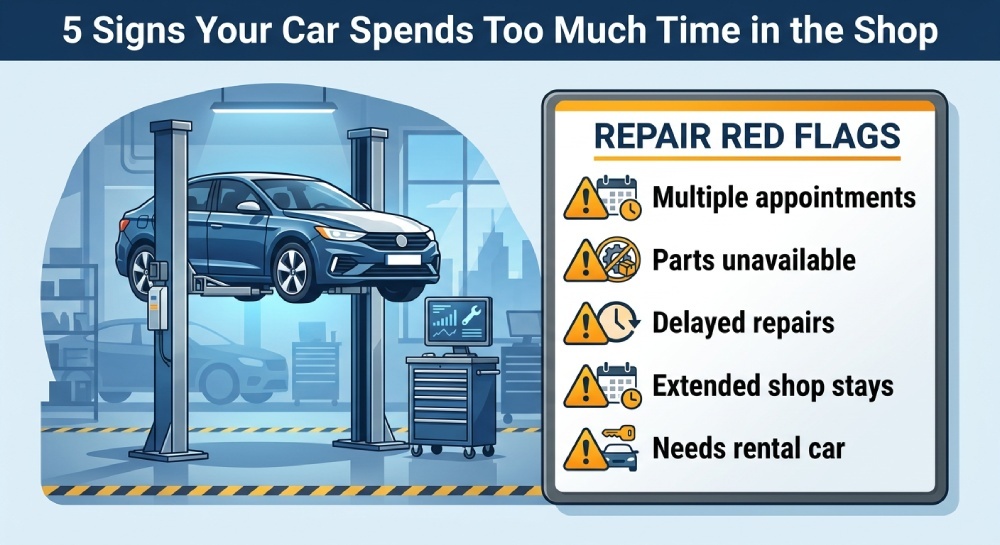
Another overlooked warning sign is how frequently your vehicle becomes unavailable because of repairs.
Occasional maintenance or an isolated repair does not necessarily indicate a lemon. However, repeated dealership visits for unresolved defects can significantly disrupt everyday transportation.
Consider whether:
Your vehicle has required multiple repair appointments within a short period.
Parts are repeatedly unavailable.
Repairs take longer than initially estimated.
The dealership keeps the vehicle for extended periods.
You frequently need alternative transportation.
Even when individual repair visits seem minor, their combined impact can become substantial.
Maintain a record of the dates your vehicle entered and left the repair facility. The total time spent out of service may be relevant when evaluating whether your vehicle qualifies for legal protection.
9. Safety Features or Driver Assistance Systems Fail Repeatedly
Modern vehicles include advanced safety technologies designed to help drivers identify hazards and maintain control. When these systems malfunction, the consequences can extend beyond inconvenience.
Examples include:
Automatic emergency braking failing to respond correctly.
Lane departure warnings activating unexpectedly.
Blind-spot monitoring becoming unavailable.
Adaptive cruise control behaving inconsistently.
Parking sensors detect obstacles incorrectly.
Forward collision warning systems displaying repeated errors.
These features depend on cameras, radar sensors, software, and electronic control systems. Problems may result from faulty components, calibration issues, wiring defects, or software malfunctions.
If a safety feature repeatedly fails after dealership inspections or calibration attempts, request a detailed explanation of the issue and the corrective work performed.
What Should You Do If You Notice These Warning Signs?
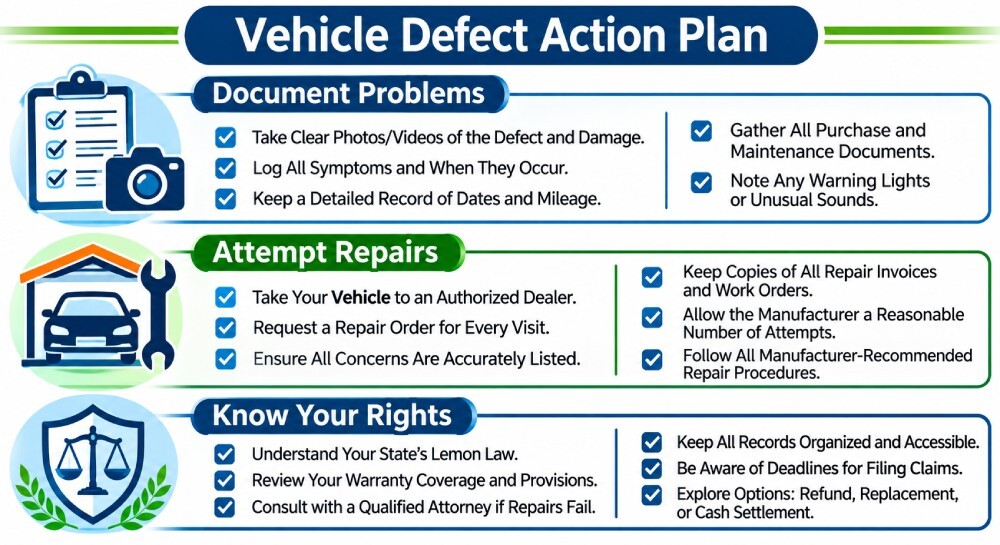
Recognizing a potential vehicle defect is only the first step. How you respond can make a significant difference when seeking repairs or evaluating your legal options.
Document Every Problem
Create a record whenever your vehicle experiences an unusual issue. Include photographs, videos, dashboard warning messages, and written descriptions of the symptoms.
Your documentation should include:
Date and mileage when the problem occurred.
Conditions under which the defect appeared.
Any warning lights or error messages.
Dealership inspection and repair records.
Details of conversations with service representatives.
Give the Manufacturer or Dealership an Opportunity to Repair
Report problems promptly and take the vehicle to an appropriate repair facility. Clearly explain every symptom, even if it appears intermittently.
Before leaving the dealership, review the repair order to ensure that your original complaint has been accurately recorded. Keep copies of invoices, inspection reports, and repair summaries.
Understand Your Lemon Law Rights
Lemon laws may protect consumers who purchase or lease vehicles with substantial defects that cannot be successfully repaired within a reasonable number of attempts.
However, eligibility depends on several factors, including:
Whether the vehicle has a qualifying defect.
Whether the problem substantially affects its use, value, or safety.
The number of repair attempts.
The time the vehicle spends out of service.
Applicable warranty requirements and legal deadlines.
Not every mechanical issue or repeated dealership visit automatically qualifies a vehicle as a lemon. An experienced lemon law attorney can review your repair history, warranty information, and other relevant documents to help determine whether you have a potential claim.
Final Thoughts
A new car should provide dependable transportation, not repeated repair appointments and unexpected disruptions. While some problems may be minor or easily corrected, recurring mechanical, electrical, transmission, braking, or safety-related defects should never be ignored.
The nine warning signs discussed above can help you recognize potential problems before they become more disruptive. Pay attention to recurring symptoms, keep detailed repair records, and seek professional assistance whenever necessary.
Most importantly, understand that you may have legal options if your new vehicle continues to experience substantial defects despite reasonable repair opportunities. Taking timely action and maintaining proper documentation can help protect your consumer rights and make it easier to determine the next appropriate step.
- newcarlemon
- lemonlawrights
- defectivenewcar
- newcarproblems
- vehicledefects
- recurringcarrepairs
- carwarningsigns
- vehiclesafetyissues
- lemonlawclaims
- consumerprotection
Think you've got a lemon?
Compare your situation to your state's requirements — and connect with a vetted lemon-law attorney for a free case review.