8 Mistakes That Can Make a Lemon Law Claim Harder for Lawyers to Handle
A lemon law claim can be harder to evaluate when vehicle owners fail to document defects, lose repair records, provide inconsistent information, or delay seeking legal guidance. Keeping repair orders, warranty documents, communications, photos, and a clear timeline of recurring problems can help establish the vehicle’s history. Organized records allow a lawyer to better understand the defects, repair attempts, and available evidence when evaluating potential legal options.
By Vishal
A lemon law claim can become more complicated when important records are missing, repair history is unclear, or communications with the manufacturer or dealership are inconsistent. While a lemon law lawyer can help organize the legal and factual issues, certain mistakes may make it harder to evaluate the claim, establish a timeline, or determine what remedies may be available.
Understanding these common mistakes can help vehicle owners preserve useful evidence and make the legal review process more straightforward.
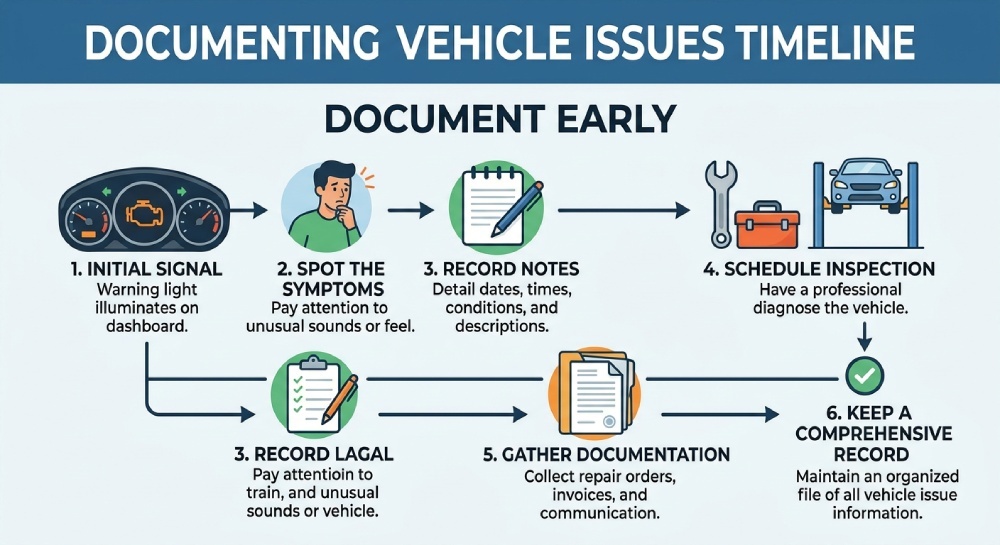
1. Waiting Too Long to Document Vehicle Problems
One of the biggest challenges in a lemon law claim is establishing what went wrong and when. Waiting weeks or months to document a recurring problem can make the timeline difficult to reconstruct.
Why Documentation Matters
A clear record can help show:
When the defect was first noticed
How frequently the problem occurred
Whether the issue affected normal vehicle use
What symptoms were observed
When the vehicle was taken for inspection or repair
Whether the same problem continued after repairs
Even seemingly minor details can become relevant when determining how a defect developed over time.
2. Failing to Keep Repair Orders and Service Records
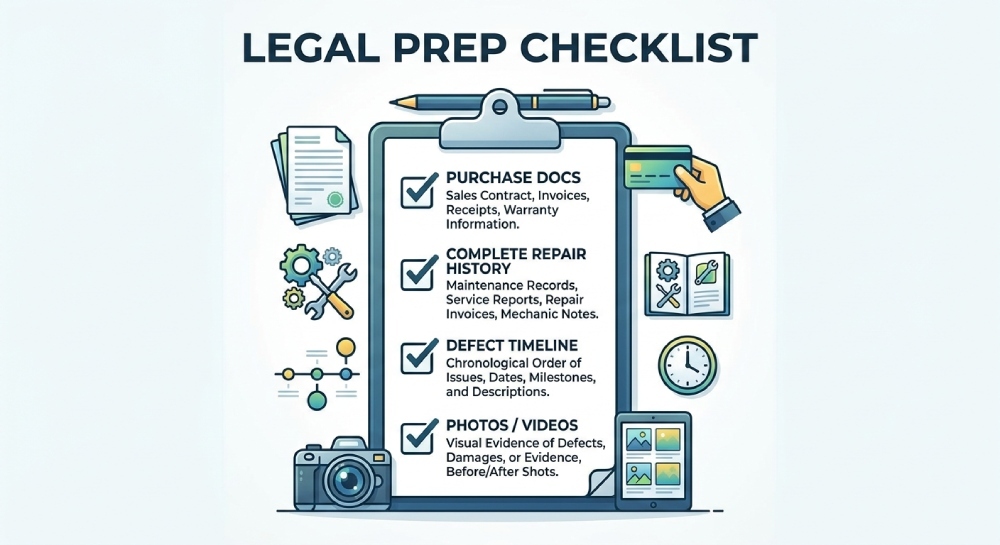
Repair orders are often important evidence in a lemon law case. They can show what the dealership or repair facility inspected, diagnosed, attempted to repair, or reported about the vehicle.
Losing these records can make it harder for a lawyer to determine the complete repair history.
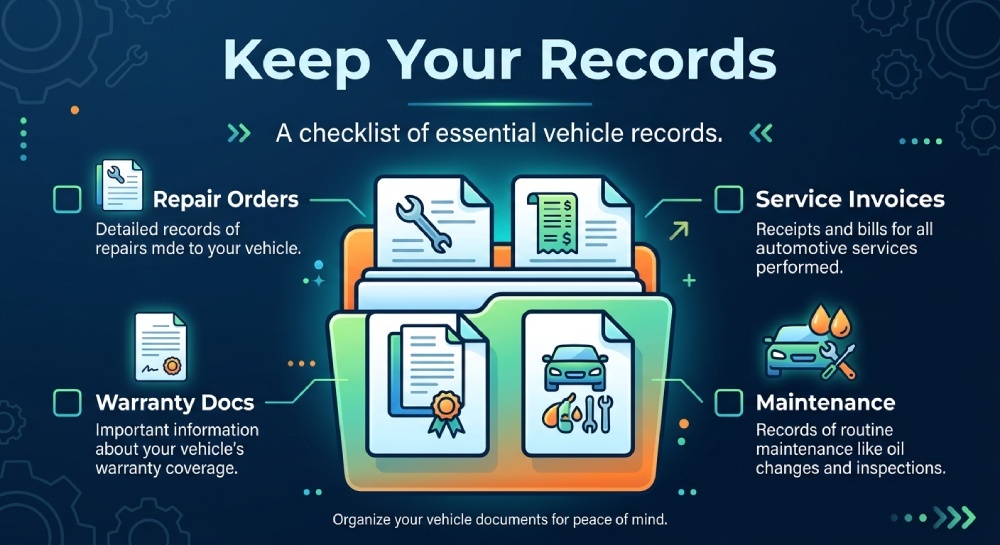
Keep a Complete Vehicle File
Vehicle owners should consider keeping copies of:
Repair orders
Service invoices
Warranty documents
Purchase or lease agreements
Maintenance records
Diagnostic reports
Recall notices
Manufacturer communications
Towing or roadside assistance records
Organizing these documents chronologically can make the claim easier to review.
3. Describing the Problem Inconsistently
A vehicle defect may appear differently from one occurrence to another. However, significant inconsistencies in descriptions can create confusion when an attorney reviews the case.
For example, describing a warning light as an engine problem during one visit and as an electrical issue during another may require additional investigation.
Be Specific About Symptoms
When reporting a problem, provide factual details such as:
What happened
When it happened
How often it occurred
Whether the vehicle could still be driven
Whether warning lights appeared
Whether unusual sounds, smells, or performance changes occurred
Accurate descriptions are more useful than assumptions about what component caused the problem.
4. Ignoring Problems Between Repair Visits
Some defects do not occur continuously. A vehicle may operate normally when brought to a repair facility even though the problem repeatedly appears during everyday driving.
Failing to record these incidents can make an intermittent defect more difficult to establish.
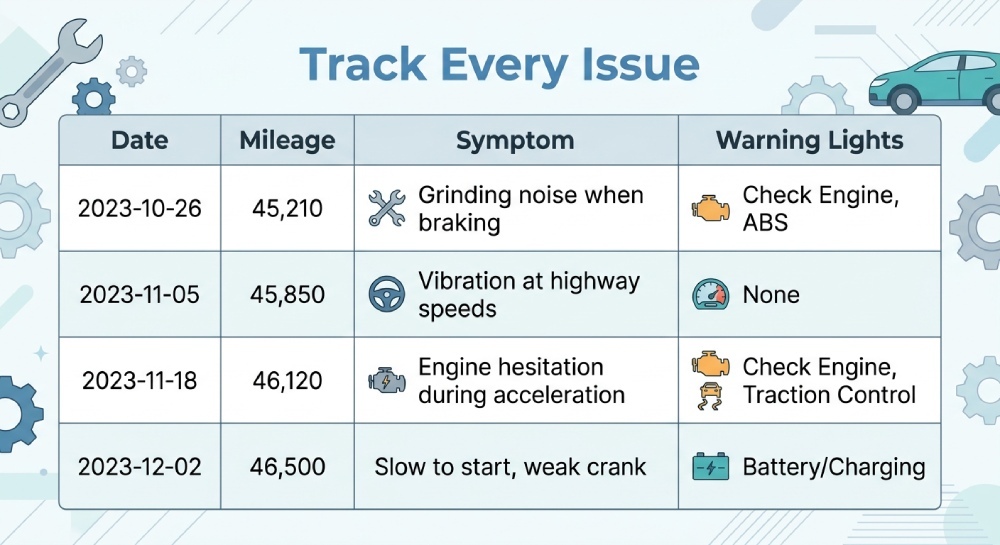
Create a Simple Defect Log
A basic log can include:
Date and approximate time
Vehicle mileage
Driving conditions
Description of the problem
Warning messages or dashboard lights
What happened immediately before the issue
Whether the problem disappeared or continued
Photos or videos may also help document certain visible or recurring problems when they can be safely captured.
5. Modifying the Vehicle Without Considering the Warranty
Aftermarket modifications can sometimes complicate the analysis of a warranty-related vehicle dispute. Depending on the circumstances, questions may arise about whether a modification contributed to a particular problem.
Before making significant modifications, vehicle owners should understand how those changes could affect the warranty or the evaluation of an existing defect.
Keep Modification Records
If modifications have already been made, preserve:
Receipts
Installation records
Product information
Installation dates
Documentation from the installer
This information can help an attorney distinguish factory-related issues from later modifications or repairs.
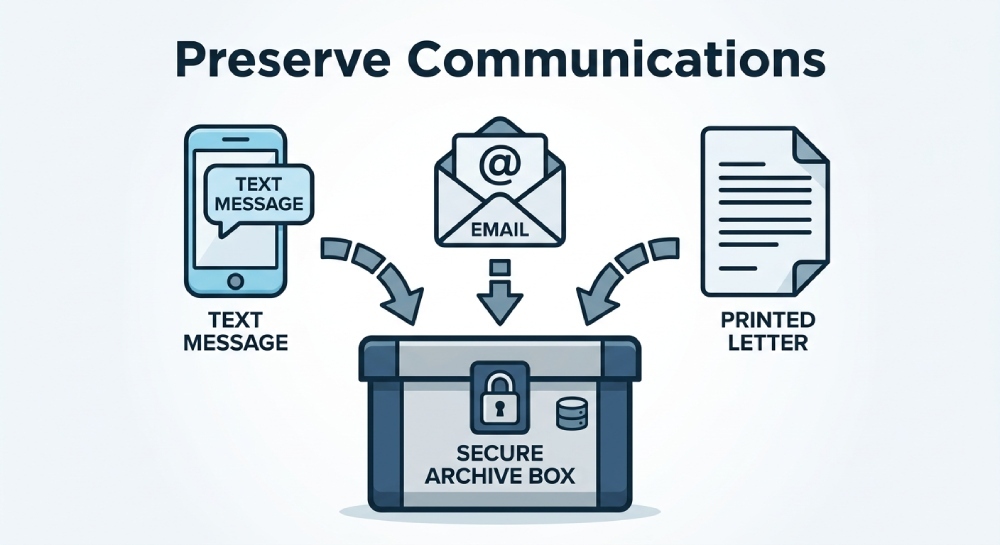
6. Failing to Preserve Communications
Emails, letters, text messages, and other communications can provide useful evidence about how a defect was reported and how the manufacturer or dealership responded.
Deleting messages or relying entirely on memory can make it harder to establish what was communicated.
Preserve Relevant Communications
Keep records of communications involving:
Reported vehicle defects
Repair appointments
Warranty discussions
Requests for additional inspections
Manufacturer case numbers
Responses from dealership personnel
Promises or explanations concerning repairs
Whenever possible, retain the original communication rather than relying on a rewritten summary.
7. Assuming Every Repair Addresses the Same Problem
A vehicle may experience multiple unrelated defects. Treating every repair visit as evidence of one continuing problem can make the repair history difficult to interpret.
For example, an electrical issue, braking concern, and infotainment malfunction may involve different components and different diagnostic histories.
Separate Defects Clearly
A useful record should identify:
The specific symptom
The date it first appeared
Each related repair visit
The diagnosis provided
The repair performed
Whether the problem returned
Whether a different problem appeared afterward
This distinction can help a lawyer determine which issues may be legally relevant and which may require separate analysis.
8. Waiting Until the Last Minute to Seek Legal Guidance
Another mistake is waiting until records are lost, deadlines become an immediate concern, or multiple unsuccessful repair attempts have already created confusion.
Early legal review can allow an attorney to examine the available documentation and identify what additional information may be needed.
What to Prepare Before Speaking With a Lawyer
A vehicle owner can make the initial review more efficient by gathering:
Purchase or lease documents
Warranty information
Complete repair history
Current mileage
A timeline of major defects
Communications with the dealership or manufacturer
Photos or videos documenting recurring problems
Records showing time spent without the vehicle
A concise timeline can be particularly helpful when numerous repair visits have occurred.
How These Mistakes Can Affect a Lemon Law Review
None of these mistakes automatically determines whether a claim has merit. However, incomplete records, inconsistent information, or missing communications can make it more difficult to establish the facts surrounding a vehicle's defects.
A lawyer generally needs enough information to understand the vehicle's history, identify the alleged warranty problems, review repair attempts, and evaluate the available evidence.
A Well-Organized Record Can Help
Keeping a structured file throughout the ownership or repair process can reduce unnecessary confusion. Instead of searching through scattered emails, invoices, and service documents, the vehicle owner can provide a chronological record of what happened.
This may help the attorney spend more time evaluating the legal issues and less time reconstructing basic facts.
Final Thoughts
A lemon law claim can involve extensive documentation and a detailed repair history. Mistakes such as losing repair records, failing to document recurring defects, modifying a vehicle without understanding the potential implications, or waiting too long to seek legal guidance can make the case more difficult to evaluate.
Vehicle owners can help by maintaining organized records, accurately describing problems, preserving communications, and creating a clear timeline of repairs and recurring defects. When a potential warranty dispute arises, keeping reliable documentation from the beginning can make it easier for a lawyer to understand the circumstances and determine what legal options may be available.
- lemon law
- lemon law claim
- lemon law mistakes
- lemon law lawyer
- vehicle defects
- warranty claims
- repair records
- vehicle repair history
- consumer rights
- defective vehicles
- warranty disputes
- legal guidance
Think you've got a lemon?
Compare your situation to your state's requirements — and connect with a vetted lemon-law attorney for a free case review.