8 Hidden Costs of Owning a Vehicle With Recurring Defects
Owning a vehicle with recurring defects can lead to unexpected expenses, including repeated repairs, lost wages, rental cars, reduced resale value, and ongoing loan payments. Understanding warranty coverage, maintaining detailed repair records, and addressing persistent problems promptly can help manage these costs. If repeated repairs fail to resolve a significant defect, exploring available consumer protection options may help vehicle owners understand their potential legal remedies.
By Vishal
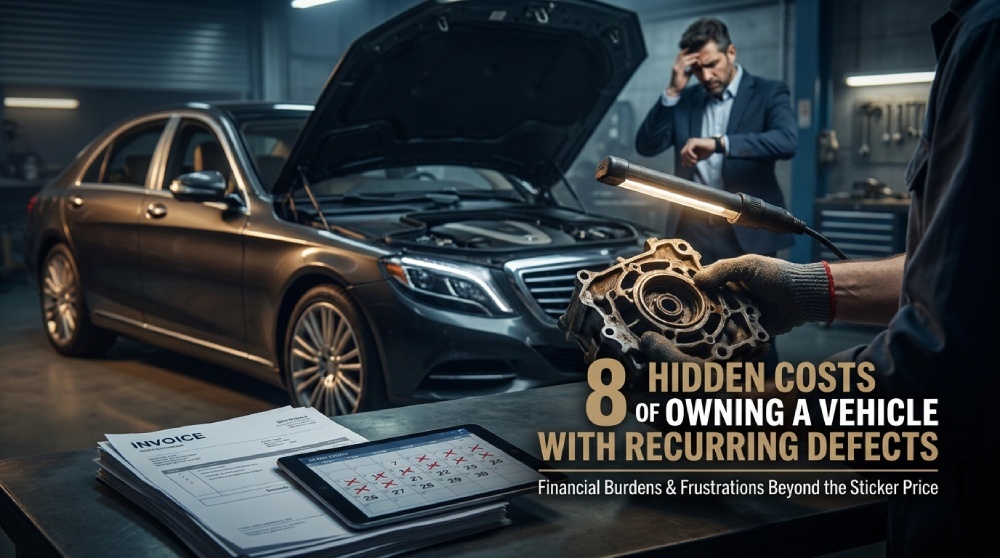
Owning a vehicle that repeatedly develops the same mechanical or electrical problems can become expensive and frustrating. While the initial purchase price may fit your budget, recurring defects can create financial burdens that extend far beyond routine maintenance. Repeated repair visits, unexpected transportation expenses, lost time, and potential resale difficulties can gradually increase the total cost of ownership.
Some vehicle problems are relatively minor, but persistent defects may affect essential systems such as the engine, transmission, brakes, steering, or electrical components. Even when a vehicle remains under warranty, repeated repair attempts can lead to inconvenience, disputed repairs, and unexpected expenses. A lemon law lawyer can help vehicle owners understand their legal rights and determine whether a vehicle with recurring defects may qualify for relief under applicable consumer protection laws.
Understanding the hidden costs of owning a vehicle with recurring defects can help you make informed decisions about repairs, warranty coverage, and potential legal options.
1. Repeated Repair and Diagnostic Expenses
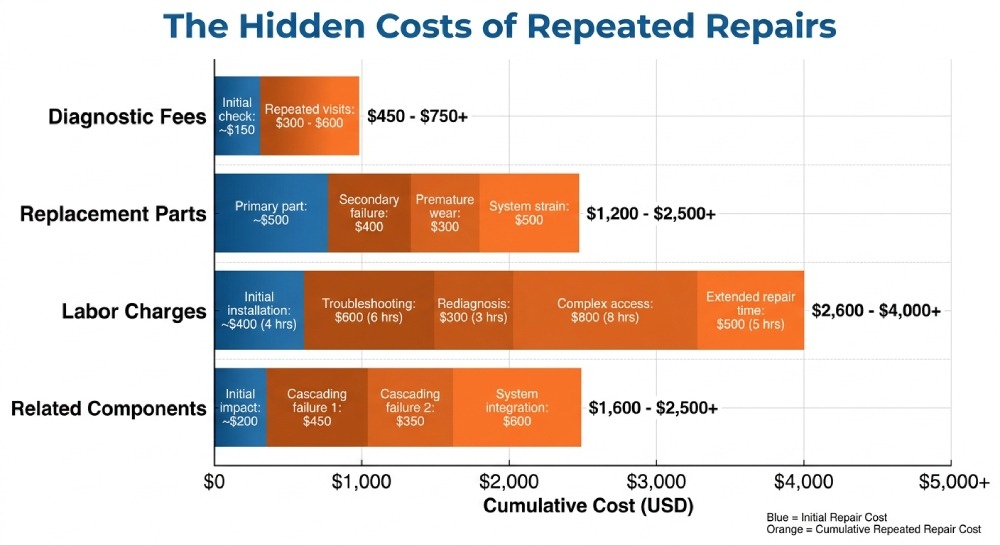
One of the most obvious costs of recurring vehicle defects is the expense associated with repeated repair attempts. A problem may initially appear simple, but identifying its underlying cause can require multiple inspections and diagnostic tests.
For example, a vehicle experiencing intermittent engine warning lights might require several visits to determine whether the problem involves a sensor, wiring connection, or another component.
Why Repair Costs Can Add Up
Repeated visits to a repair facility may involve:
Diagnostic fees for identifying persistent problems.
Replacement parts that fail to resolve the underlying defect.
Additional labor charges for repeated inspections and repairs.
Expenses for related components affected by the original problem.
Warranty coverage may help pay for qualifying repairs, but coverage depends on the warranty terms, the nature of the defect, and other applicable conditions. Owners should review repair invoices and warranty documents carefully to understand which expenses they are responsible for paying.
2. Lost Wages and Time Away From Work
Recurring defects can interfere with your professional and personal responsibilities. Every repair appointment requires time to arrange transportation, communicate with technicians, and potentially wait for the vehicle to be returned.
When a problem occurs repeatedly, these interruptions can become a significant burden.
The Impact on Your Daily Schedule
Depending on the circumstances, you may need to:
Take time off work to visit a dealership or repair shop.
Rearrange meetings, appointments, or family commitments.
Spend additional hours coordinating inspections and follow-up repairs.
Lose income if your work depends on reliable transportation.
Even when a repair is covered by warranty, the time spent managing the problem may not be reimbursed. Keeping records of repair appointments and related disruptions can help you understand the broader impact of a recurring defect.
3. Rental Cars and Alternative Transportation
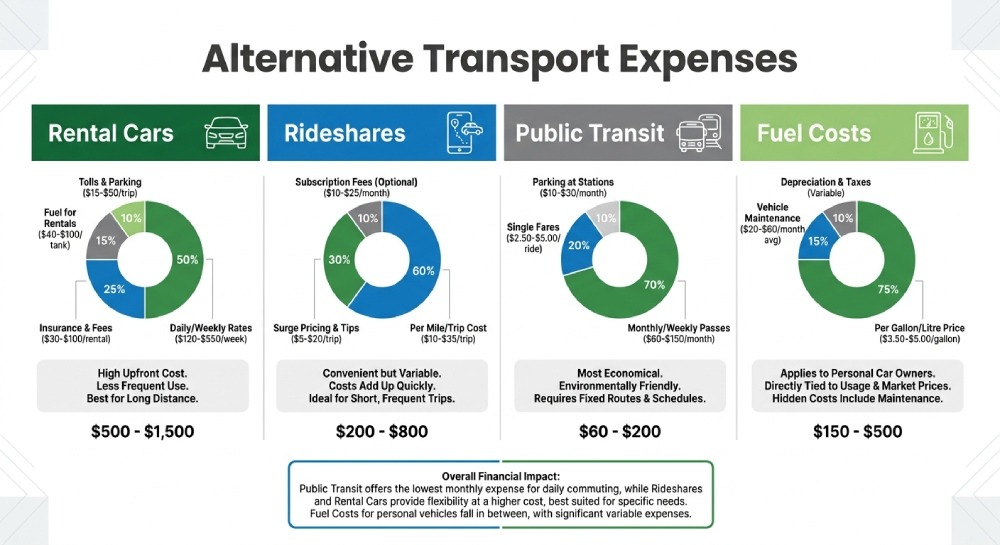
When a vehicle remains at a repair facility for several days, owners may need another way to travel. Rental cars, rideshare services, taxis, and public transportation can quickly increase transportation expenses.
These costs may be especially challenging when repairs take longer than expected or the vehicle repeatedly returns to the shop.
Expenses to Consider
Alternative transportation may involve:
Daily or weekly rental fees.
Fuel costs and rental-related charges.
Rideshare or taxi fares for regular commuting.
Public transportation expenses and additional travel time.
Some manufacturer warranties or service agreements may provide rental reimbursement or alternative transportation benefits. However, these benefits may have eligibility requirements, daily limits, or restrictions on the duration of coverage.
Before paying out of pocket, review your warranty documents and ask the repair facility or manufacturer whether assistance is available.
4. Reduced Vehicle Resale Value
A history of recurring defects can make a vehicle less attractive to potential buyers. Even when a problem has been repaired, buyers may hesitate if the same issue has appeared multiple times.
This concern can affect trade-in offers and private-sale negotiations.
How Defect History Can Affect Value
A vehicle's resale value may be influenced by:
Repeated repair records involving major components.
Unresolved mechanical or electrical problems.
Documented safety-related defects.
Buyer concerns about future repair expenses.
The cost of correcting problems before a sale.
Not every repair history will reduce a vehicle's value significantly. The impact depends on the defect, the quality of the repairs, the vehicle's age and condition, and market demand.
Maintaining accurate service records can help demonstrate which issues were addressed and what work was completed.
5. Higher Insurance and Related Expenses
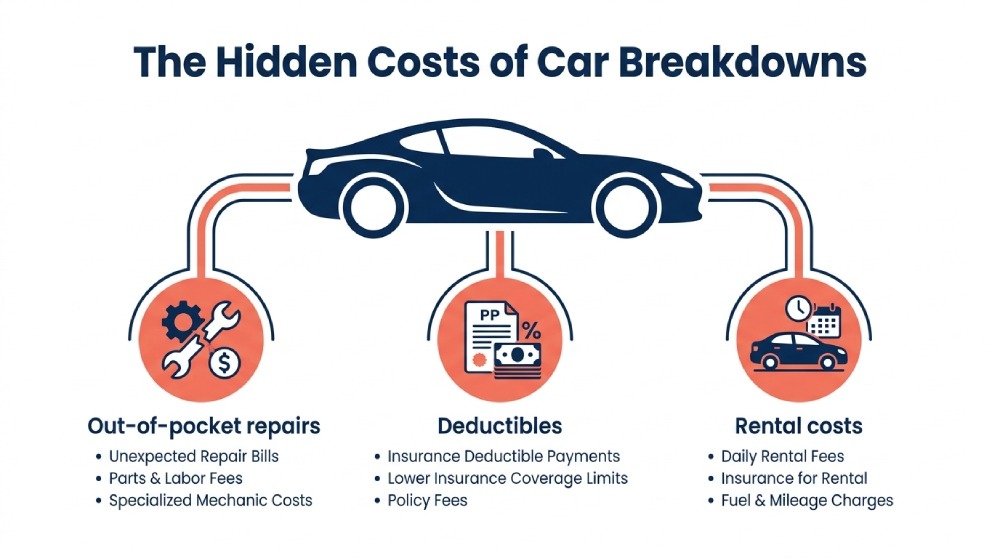
Insurance costs are another factor worth considering when a vehicle develops recurring defects. Mechanical problems do not automatically increase insurance premiums, and standard auto insurance generally does not cover ordinary wear, mechanical breakdowns, or defective components.
However, related circumstances may create additional expenses.
Potential Insurance-Related Costs
Depending on your policy and situation, you may encounter:
Out-of-pocket expenses for mechanical failures excluded from coverage.
Deductibles when a separate covered incident occurs.
Additional transportation costs following a breakdown.
Premium changes resulting from other rating factors, such as claims history.
It is important to distinguish between mechanical defects and damage caused by a covered event. Reviewing your policy can help clarify what is covered and what expenses remain your responsibility.
6. Unexpected Maintenance and Related Component Damage
A recurring defect can sometimes contribute to additional problems, particularly when the underlying cause remains unresolved. For example, an overheating issue may affect other engine components if the vehicle continues to operate under unsafe conditions.
However, not every additional repair is necessarily connected to the original defect. A qualified technician should assess whether the problems share a common cause.
Why Early Diagnosis Matters
Ignoring warning signs may lead to more extensive repairs. Watch for symptoms such as:
Repeated dashboard warning lights.
Unusual noises or vibrations.
Fluid leaks or persistent overheating.
Changes in braking, steering, or acceleration.
Electrical systems that fail intermittently.
Follow the manufacturer's maintenance guidance and seek professional assistance when problems persist. If a defect affects safe operation, avoid driving the vehicle until it has been assessed appropriately.
7. Financing Costs While the Vehicle Is Unusable
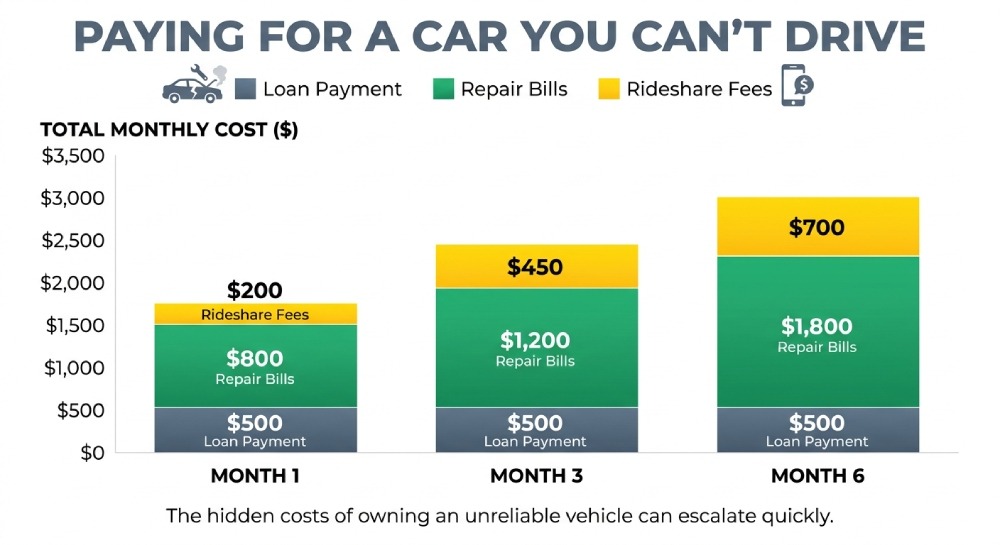
Monthly loan payments generally continue even when a vehicle is undergoing repairs. This can create financial pressure because owners may need to pay for a vehicle they cannot reliably use while also covering alternative transportation.
The burden can be greater when the vehicle is essential for commuting, childcare, or other daily responsibilities.
Understanding the Financial Burden
Consider the combined effect of:
Monthly loan or lease payments.
Repair expenses not covered by applicable protection.
Rental car or rideshare costs.
Parking fees or other continuing ownership expenses.
These obligations can make recurring defects particularly frustrating. If you are considering trading in or selling the vehicle, review the remaining loan balance and estimated market value before making a decision.
A trade-in offer below the outstanding loan balance may leave you responsible for the difference, depending on how the transaction is structured.
8. Legal Expenses and the Cost of Pursuing a Resolution
When a vehicle continues to experience substantial defects despite repeated repair attempts, owners may need to explore their warranty rights and other potential remedies.
Understanding those options can require time, documentation, and sometimes professional legal guidance.
What Owners Should Document
Organize records that help establish the vehicle's repair history, including:
Purchase or lease agreements.
Manufacturer warranty documents.
Repair orders, invoices, and diagnostic reports.
Dates when the vehicle was unavailable for use.
Written communications with the dealership or manufacturer.
Records of additional expenses related to the defect.
Depending on the applicable law, the vehicle's warranty, the type of defect, and the repair history, potential remedies may include further repairs, reimbursement, replacement, or a refund. Eligibility and procedures vary, so no particular outcome should be assumed.
Some legal services may involve consultation fees or other expenses, while certain consumer protection laws provide for attorney's fees in qualifying cases. Ask about the fee arrangement and any potential costs before proceeding.
How to Manage the Costs of Recurring Vehicle Defects
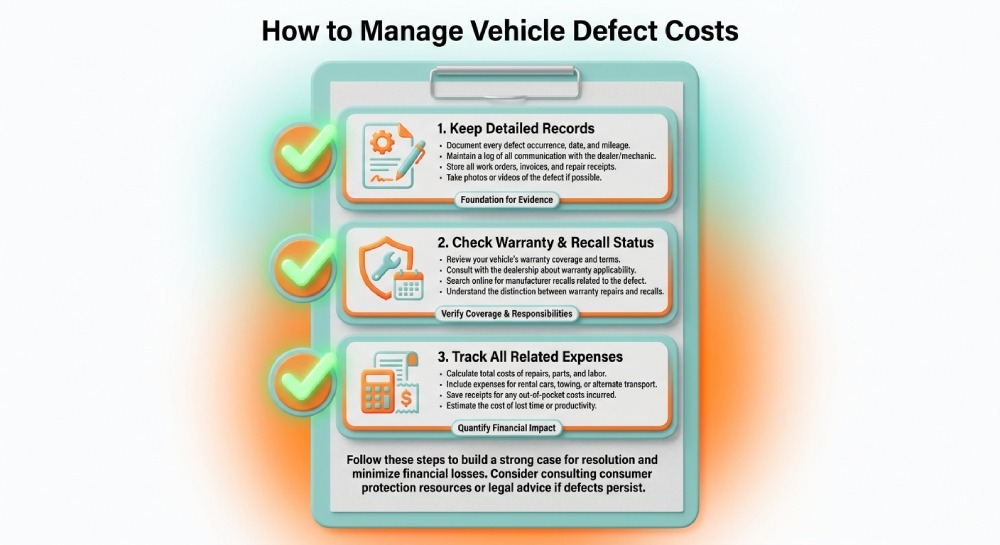
Although you cannot always prevent a vehicle defect, taking organized steps can help you manage its financial impact and preserve important information.
Consider the following practices:
Keep detailed records: Save repair invoices, inspection reports, and written communications.
Report recurring problems clearly: Explain when the issue first appeared and whether previous repairs resolved it.
Review warranty coverage: Check the applicable terms before authorizing repairs or paying for additional services.
Track related expenses: Record rental costs, transportation fees, and other out-of-pocket payments.
Prioritize safety: Have potentially dangerous defects evaluated promptly by a qualified professional.
Explore available remedies: If repeated repairs fail to resolve a significant problem, consider seeking guidance about your consumer rights.
Conclusion
Owning a vehicle with recurring defects can cost much more than the price of replacement parts or individual repairs. Lost work time, alternative transportation, reduced resale value, continuing loan payments, and the effort required to resolve warranty disputes can all contribute to the overall financial burden.
Keeping thorough records, understanding warranty coverage, and addressing persistent problems promptly can help you make better decisions about your vehicle. If repeated repair attempts have not resolved a substantial defect, reviewing your available consumer protection options may also help you determine the next appropriate step.
- vehicle defects
- recurring car problems
- vehicle repair costs
- lemon law
- car warranty
- automotive expenses
- consumer protection
- vehicle ownership costs
- repeated repairs
- lemon law lawyer
Think you've got a lemon?
Compare your situation to your state's requirements — and connect with a vetted lemon-law attorney for a free case review.