7 Situations Where Selling Your Defective Car Does Not Automatically End A Lemon Law Claim
Selling a defective vehicle does not automatically end a potential lemon law claim. Previous repair attempts, warranty coverage, manufacturer notifications, and documented financial losses may still support a claim after ownership transfers. However, the sale agreement, timing, applicable legal requirements, and available remedies can affect eligibility. Reviewing repair records and consulting a lemon law lawyer can help determine whether legal options remain available.
By Vishal

Selling a defective vehicle can feel like the final step in moving on from repeated mechanical problems, costly repairs, and frustrating dealership visits. However, getting rid of a vehicle does not necessarily mean losing the ability to pursue a lemon law claim. Depending on the circumstances, the vehicle's repair history, the nature of the defect, and the timing of the sale, certain legal rights may remain available even after ownership changes.
Many vehicle owners assume that they must continue owning a defective car throughout the entire legal process. In reality, selling or transferring a vehicle does not automatically resolve every potential claim. The important question is whether the owner has an existing legal right to seek compensation for the problems experienced while they owned the vehicle.
Here are seven situations where selling a defective car may not automatically end a lemon law claim.
1. The Defect Existed Before the Vehicle Was Sold
One important factor in a potential lemon law claim is when the defect first appeared. If a vehicle developed a substantial problem during the owner's period of ownership, selling it later does not necessarily erase the history of that defect.
For example, a vehicle may have experienced repeated engine failures, transmission problems, electrical malfunctions, or other significant issues before the owner decided to sell it.
The sale changes who owns the vehicle, but it does not automatically change what happened before the transaction.
Relevant evidence may include:
- Repair invoices documenting recurring mechanical problems.
- Service records showing multiple unsuccessful repair attempts.
- Warranty documents covering the original defect.
- Dealership communications acknowledging the problem.
- Records showing how long the vehicle remained unavailable for repairs.
These documents may help establish whether the vehicle experienced qualifying defects before it was sold.
2. Multiple Repair Attempts Were Already Completed
A vehicle owner may have taken the car to an authorized repair facility several times without receiving a permanent solution. If the manufacturer or its representatives had reasonable opportunities to address the defect, those previous repair attempts may remain relevant after the vehicle is sold.
Selling the vehicle does not automatically erase the repair history or eliminate the significance of unsuccessful repair efforts.
Why Previous Repair Attempts Matter
The number and nature of repair attempts can help demonstrate the seriousness and persistence of a vehicle defect.
For instance, consider a vehicle that repeatedly experiences transmission slipping. The owner takes it for repairs several times, but the problem continues returning. Eventually, the owner decides to sell the vehicle rather than continue dealing with unreliable transportation.
The previous repair attempts may still support an evaluation of the owner's potential claim.
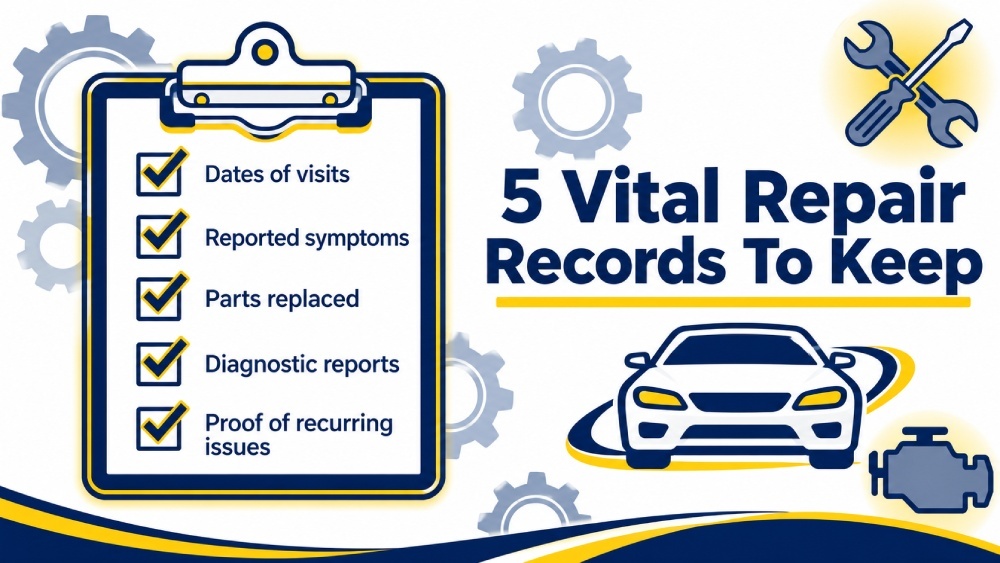
Important records to preserve include:
- Dates of each repair visit.
- Descriptions of the reported symptoms.
- Parts replaced or repairs performed.
- Technician findings and diagnostic reports.
- Documentation showing whether the same problem returned.
3. The Vehicle Was Sold Because Repairs Became Too Frustrating or Expensive
Some owners sell defective vehicles because repeated repairs become financially exhausting. Others simply lose confidence in a vehicle that continues experiencing unpredictable mechanical or safety-related problems.
Choosing to sell under these circumstances does not necessarily mean the owner voluntarily gives up every legal remedy.
Financial Pressure Does Not Automatically Eliminate Legal Rights
Repeated repair expenses, towing costs, rental transportation, and time away from work can make continued ownership impractical.
An owner may decide that selling the vehicle is the most reasonable option rather than spending additional money on a problem that has not been resolved.
However, the reason for selling and the circumstances surrounding the transaction may matter when evaluating a potential claim.
Owners should retain evidence of:
- Out-of-pocket repair expenses.
- Towing and transportation costs.
- Communications with the dealership or manufacturer.
- Records of recurring vehicle problems.
- Documents explaining the circumstances of the sale.
These materials can help establish the history of the dispute.
4. The Manufacturer Was Already Notified About the Defect
A vehicle owner may have reported a recurring defect to the dealership or manufacturer long before deciding to sell the car.
If the manufacturer received complaints, reviewed repair records, or had opportunities to address the problem, those interactions may remain important when evaluating a potential lemon law claim.
Selling the vehicle does not automatically erase previous communications or make the manufacturer's earlier involvement irrelevant.
Documentation Can Help Establish the Manufacturer's Knowledge
Evidence of previous notifications may demonstrate that the manufacturer was aware of the reported problem.
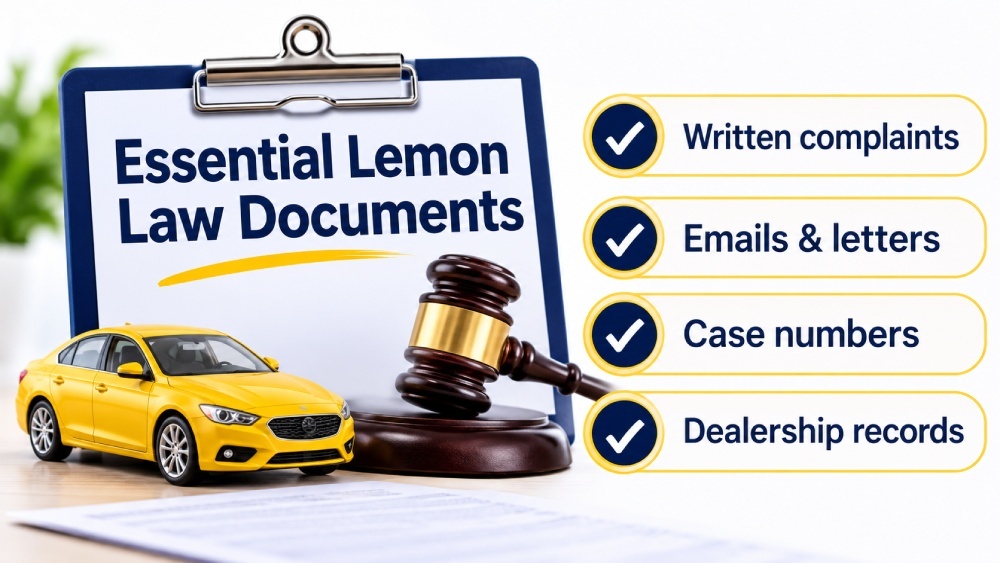
Useful documentation can include:
- Written complaints submitted to the manufacturer.
- Customer service emails and letters.
- Case reference numbers.
- Dealership vehicle records.
- Responses from manufacturer representatives.
- Records of additional repair recommendations.
Keeping these communications organized can help a lemon law lawyer evaluate whether the manufacturer had sufficient opportunities to address the defect.
5. The Owner Has Not Yet Received Compensation for the Defect
Selling a defective vehicle and receiving payment from a buyer does not necessarily mean the owner has already received compensation for every loss connected to the defect.
A private sale, trade-in, or dealership transaction is different from a legal settlement or manufacturer repurchase.
For example, an owner might sell a vehicle at a reduced price because of recurring engine problems. Although the transaction provides some financial recovery, it may not compensate the owner for every loss associated with the defective vehicle.
A Vehicle Sale Is Not Automatically a Legal Settlement
The details of the transaction matter.
Before assuming that a sale eliminates a potential claim, owners should review:
- The vehicle purchase and sale agreement.
- Any trade-in documentation.
- Written disclosures about known defects.
- Agreements addressing existing legal claims.
- Any release or settlement documents signed during the transaction.
The terms of these documents may affect whether a claim remains available.
6. The Owner Preserved Evidence Before Selling the Vehicle
A major concern after selling a defective car is whether enough evidence remains to establish the history and seriousness of the problem.
Fortunately, physical possession of the vehicle is not the only way to document a potential lemon law claim. Repair records, photographs, videos, diagnostic reports, and written communications may provide valuable evidence.
Evidence That Can Support a Claim After a Sale
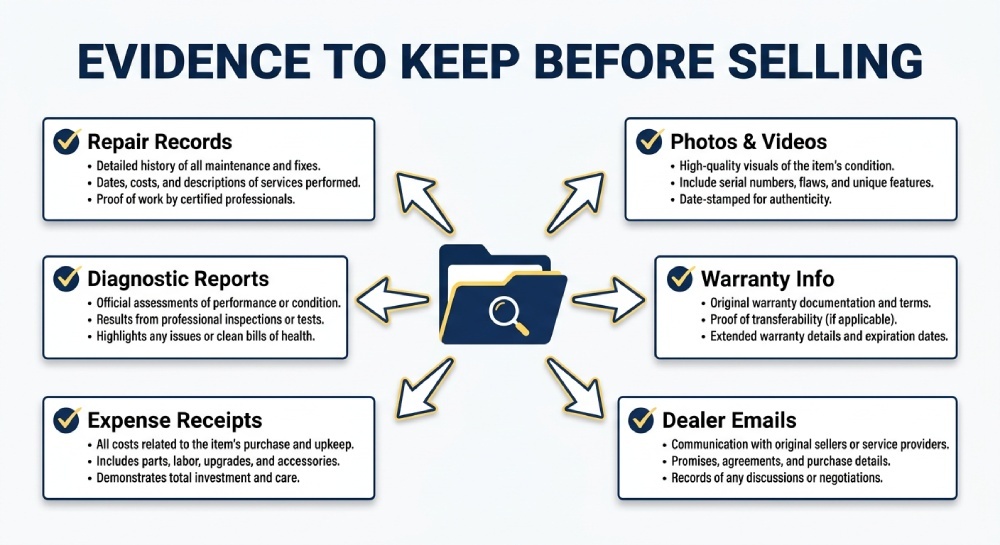
Before transferring ownership, vehicle owners should preserve as much documentation as possible.
Consider keeping:
Complete maintenance and repair histories.
Photographs or videos showing the defect.
Diagnostic trouble codes and inspection reports.
Warranty information.
Vehicle purchase and financing documents.
Records of repair-related expenses.
Copies of communications with dealerships and manufacturers.
Organized documentation can help a lawyer understand what happened while the vehicle was still under the owner's control.
However, the absence of physical possession may create additional challenges, particularly if an inspection or further diagnostic testing is necessary.
7. The Owner Has an Existing Claim That Requires Legal Evaluation
In some situations, an owner may have already discussed the defect with a lawyer, submitted a manufacturer complaint, or started the legal process before selling the vehicle.
The subsequent sale does not automatically establish that the claim has disappeared.
Whether the claim can continue depends on the applicable law, the nature of the requested remedy, the timing of the sale, and any agreements signed during the transaction.
Why Legal Review Is Important
Different legal remedies may involve different ownership and eligibility requirements. A claim seeking a vehicle repurchase may raise different issues from one involving compensation for losses already experienced.
A lemon law lawyer can review the circumstances and determine whether the owner still has an actionable claim.
Important questions may include:
- Did the qualifying defect develop during the relevant warranty period?
- Were sufficient repair opportunities provided?
- Was the vehicle sold before or after the claim began?
- Did the sale agreement include any release of legal rights?
- Does the applicable law allow the requested remedy after ownership has transferred?
Getting answers to these questions can help prevent vehicle owners from abandoning potential legal rights based on assumptions.
What Should You Do Before Selling a Defective Vehicle?
If you are considering selling a vehicle with recurring mechanical problems, taking a few precautions can help protect your interests.
Before completing the transaction:
Collect repair records: Obtain copies of every service invoice, inspection report, and diagnostic result.
Document recurring problems: Keep photographs, videos, and written descriptions of unresolved defects.
Review warranty coverage: Understand the warranty status and relevant repair history.
Read the sale agreement: Check whether the transaction includes language addressing existing claims or releasing legal rights.
Consult a legal professional: Ask a lemon law lawyer to review your circumstances before making decisions that could affect your potential claim.
Taking these steps can make it easier to evaluate available legal options after the sale.
Final Thoughts
Selling a defective vehicle does not automatically mean that every potential lemon law claim ends. Previous repair attempts, manufacturer notifications, warranty coverage, financial losses, and preserved documentation may continue to matter even after ownership transfers.
However, not every owner will qualify for a claim after selling a vehicle. The applicable legal requirements, timing of the sale, transaction documents, and available remedies must all be considered.
If you have sold a defective vehicle or are planning to sell one, speaking with an experienced lemon law lawyer can help you understand whether you may still have legal options. Reviewing your repair history and sale documents before assuming your rights have ended can be an important step toward making an informed decision.
Think you've got a lemon?
Compare your situation to your state's requirements — and connect with a vetted lemon-law attorney for a free case review.