7 “Normal” Car Problems That May Not Be Normal Under Lemon Law
Some car problems may seem normal but could indicate a more serious defect when they repeatedly return after repairs. Recurring warning lights, electrical issues, transmission problems, excessive oil consumption, brake problems, overheating, and safety-system failures deserve closer attention. Keeping detailed repair records can help vehicle owners determine whether a persistent defect may qualify for lemon law protection.
By Vishal
When you buy a vehicle, occasional maintenance and minor repairs are expected. However, some problems that dealerships describe as “normal” may deserve closer attention—especially when a defect keeps returning, affects the vehicle’s use or safety, or requires repeated repair attempts.
Lemon law protections generally focus on vehicles with significant defects that the manufacturer or dealer has been unable to repair within a reasonable number of attempts. The exact requirements vary by applicable law, but understanding which recurring problems may raise concerns can help vehicle owners recognize when a routine repair has become something more serious.
Here are seven seemingly normal car problems that may deserve a closer look.
1. Repeated Warning Lights
Dashboard warning lights can appear for many reasons, and a single warning light does not automatically mean a vehicle is defective. The concern grows when the same warning light repeatedly returns after the vehicle has already been inspected or repaired.
Why Repeated Warning Lights Matter
A recurring warning light may indicate that the underlying problem was never properly resolved. For example, an engine, transmission, electrical, or emissions-related warning could return shortly after a repair.
Keep records of:
When the warning light appeared
What the dealer or repair facility diagnosed
Which repairs were performed
How long the vehicle remained in the shop
Whether the warning returned after the repair
A pattern of repeated repairs can be more significant than a single isolated warning.
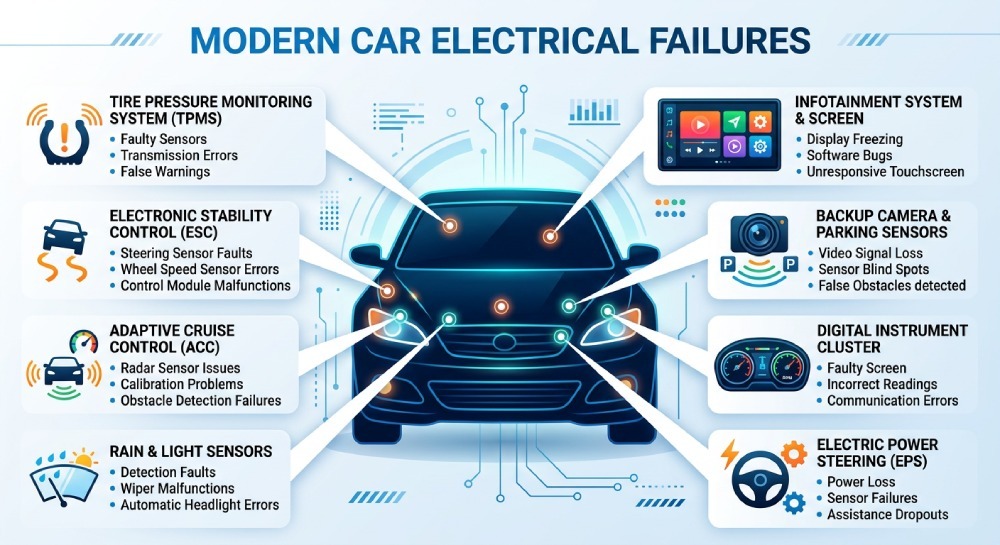
2. Persistent Electrical Problems
Modern vehicles depend on complex electrical systems for everything from starting the engine to operating cameras, screens, sensors, locks, and safety features. Occasional electronic glitches may happen, but persistent electrical problems should not simply be dismissed as part of owning a modern vehicle.
When an Electrical Issue Becomes Concerning
Problems become more concerning when the same electrical failure keeps returning or affects important vehicle functions. A vehicle that repeatedly loses power, experiences unexplained warning messages, or has malfunctioning safety-related electronics may require more than routine troubleshooting.
If technicians repeatedly replace components without permanently resolving the issue, maintaining detailed repair records can help establish the history of the problem.
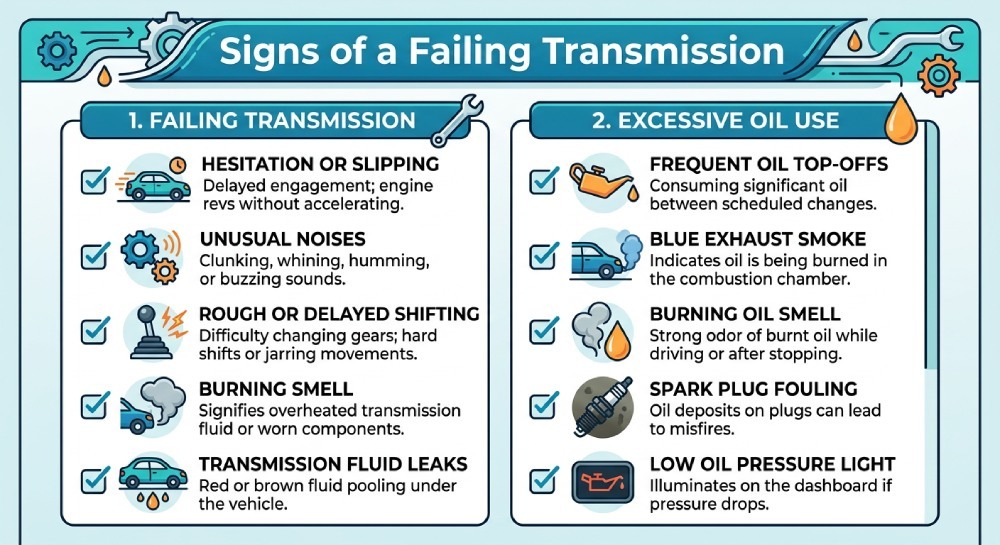
3. Recurring Transmission Problems
Transmission behavior can vary between vehicles, and some characteristics may be considered normal for a particular model. However, repeated hard shifting, slipping, hesitation, grinding, or unexpected gear changes should not automatically be accepted as normal.
Signs of a Recurring Transmission Issue
A transmission problem may deserve additional attention when:
The vehicle repeatedly returns to the shop for the same symptom
Repairs or software updates provide only temporary relief
The problem affects acceleration or drivability
The vehicle unexpectedly shifts, hesitates, or loses power
The manufacturer or dealer repeatedly attempts repairs
One repair may resolve a problem completely. Multiple unsuccessful attempts can create a different situation.
4. Excessive Oil Consumption
Some vehicles may consume a certain amount of oil between scheduled services. But unusually high or unexplained oil consumption can become a significant concern, particularly when the vehicle requires frequent top-offs or repeated inspections.
Why Oil Consumption Should Not Be Ignored
Excessive oil consumption may be associated with an underlying engine problem. If a vehicle repeatedly requires testing, component replacement, or engine-related repairs without resolving the issue, the repair history becomes important.
Owners should follow the manufacturer's recommended maintenance schedule and document any instructions given by the dealer regarding oil checks or consumption testing.
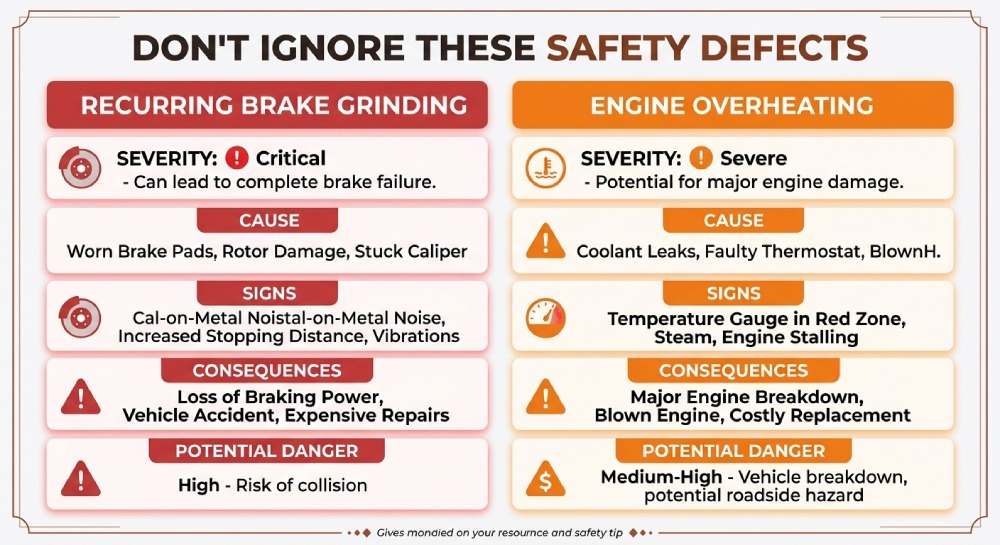
5. Recurring Brake Problems
Brakes naturally wear over time, so routine brake maintenance is not necessarily evidence of a defective vehicle. The situation can be different when a vehicle experiences unusual or recurring braking problems that persist despite repairs.
When Brake Issues Deserve Attention
Repeated grinding, abnormal vibration, pulling, unusual noises, or inconsistent braking performance should be reported promptly. Problems involving braking can also raise safety concerns, making accurate documentation particularly important.
Rather than relying on verbal conversations, ask for the reported concern and repair performed to be included on the repair order. This creates a clearer record of what happened and when.
6. Persistent Overheating
Engine overheating is not something vehicle owners should simply accept as a normal characteristic of a car. A vehicle may experience temporary temperature increases under certain conditions, but repeated overheating can indicate an unresolved mechanical or cooling-system problem.
What Repeated Overheating Can Mean
A recurring overheating complaint may lead technicians to inspect components such as the cooling system, thermostat, radiator, fans, hoses, or other engine-related systems.
Even when a dealership initially describes the issue as minor, repeated visits for the same overheating concern can establish a pattern. If the vehicle continues to experience the problem after multiple repair attempts, owners may need to investigate their available legal options.
7. Recurring Safety-System Failures
Modern vehicles contain numerous driver-assistance and safety technologies. Cameras, sensors, automatic emergency braking, lane-assistance systems, airbags, and other safety features can be essential to how a vehicle operates.
A temporary sensor issue may be repairable, but repeated failures of safety-related systems should not simply be dismissed as a normal inconvenience.
Why Safety-Related Defects Are Different
A recurring safety-system problem may affect the driver's confidence and the vehicle's intended use. If warning messages repeatedly appear, safety features become unavailable, or the same system requires multiple repair attempts, documentation becomes especially important.
Record the warning message, date, mileage, circumstances surrounding the failure, and repair performed whenever possible.
What Should You Do If a “Normal” Problem Keeps Returning?
The most important step is to create a detailed record of the vehicle's problems and repair history. A single repair visit may not reveal the full picture, but several documented visits can show a pattern.
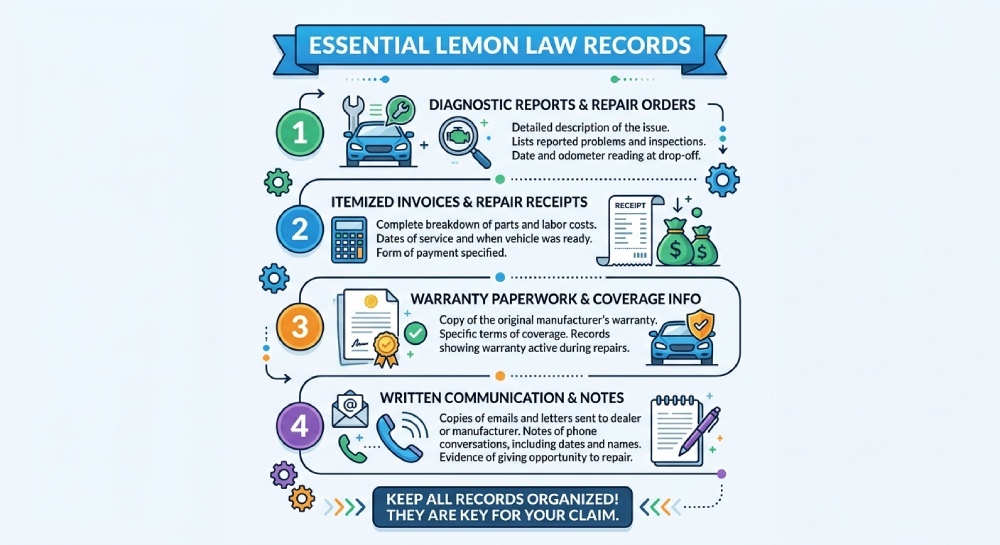
Keep Your Repair Records Organized
Save copies of:
Repair orders and invoices
Diagnostic reports
Warranty paperwork
Communications with the dealer or manufacturer
Dates the vehicle was taken in for service
Notes about recurring symptoms
Records showing how long the vehicle was unavailable
Do not rely only on memory. Dates, mileage, descriptions of symptoms, and repair attempts can become important when evaluating whether a vehicle has a significant unresolved defect.
When Is a “Normal” Problem No Longer Normal?
Not every vehicle problem qualifies for lemon law protection. Vehicles require maintenance, parts can wear out, and some repairs are expected during ownership.
The bigger question is whether a substantial defect continues despite reasonable opportunities to repair it. Factors such as the seriousness of the problem, the number of repair attempts, the amount of time the vehicle spends out of service, and the effect on the vehicle's safety or use may all matter depending on the applicable law.
A dealership saying that a problem is “normal” does not necessarily settle the issue. What matters is the actual nature of the defect, its persistence, the repair history, and whether the vehicle meets the applicable legal requirements.
Final Thoughts
A strange noise, warning light, electrical glitch, or repair may seem like an ordinary inconvenience when it happens once. When the same problem keeps coming back, however, it may be worth taking a closer look.
The seven issues discussed here—recurring warning lights, electrical failures, transmission problems, excessive oil consumption, brake issues, overheating, and safety-system failures—can all deserve closer attention when they remain unresolved after repeated repair attempts.
If you believe your vehicle has a serious recurring defect, keep your documentation organized and consider speaking with a qualified lemon law lawyer. A review of your repair history and circumstances can help determine whether your situation may qualify for legal protection.
- lemon law
- car problems
- vehicle defects
- recurring car problems
- lemon law protection
- defective vehicles
- vehicle repair issues
- car repair records
- safety defects
- lemon law rights
Think you've got a lemon?
Compare your situation to your state's requirements — and connect with a vetted lemon-law attorney for a free case review.