7 Lemon Law Problems That Can Start Before Your First Repair Visit
Lemon law problems can begin before a vehicle’s first repair visit. Early defects, hidden issues, unclear warranty coverage, poor disclosure, intermittent problems, delayed reporting, and missing records can all create complications. Documenting symptoms, preserving purchase and warranty records, and reporting serious issues promptly can help establish a clear timeline and protect important evidence.
By Vishal

When people think about lemon law problems, they often focus on repeated repair attempts, unresolved defects, or long stays at the dealership. However, some issues can begin before a vehicle ever reaches its first repair visit.
A vehicle may already have a significant defect when it is purchased or leased. Problems can also arise from how the defect is described, documented, disclosed, or handled after the buyer notices it. Understanding these early warning signs can help vehicle owners preserve important records and recognize when a developing problem may require legal attention.
1. The Vehicle Has a Defect Shortly After Delivery
One of the earliest potential warning signs is discovering a substantial problem soon after taking possession of the vehicle.
Common Early Defects
The issue could involve the engine, transmission, electrical system, steering, braking, safety equipment, infotainment system, or another major component. Some defects may appear immediately, while others may become noticeable after only a short period of normal driving.
Not every vehicle problem automatically creates a lemon law claim. Requirements vary by jurisdiction and may depend on factors such as the nature of the defect, warranty coverage, repair opportunities, and whether the problem substantially affects the vehicle's use, value, or safety.
Still, discovering a serious defect shortly after purchase is a reason to begin documenting the situation carefully.
2. The Problem Was Present but Not Obvious at Purchase
Some vehicle defects are difficult to identify during a test drive or initial inspection.
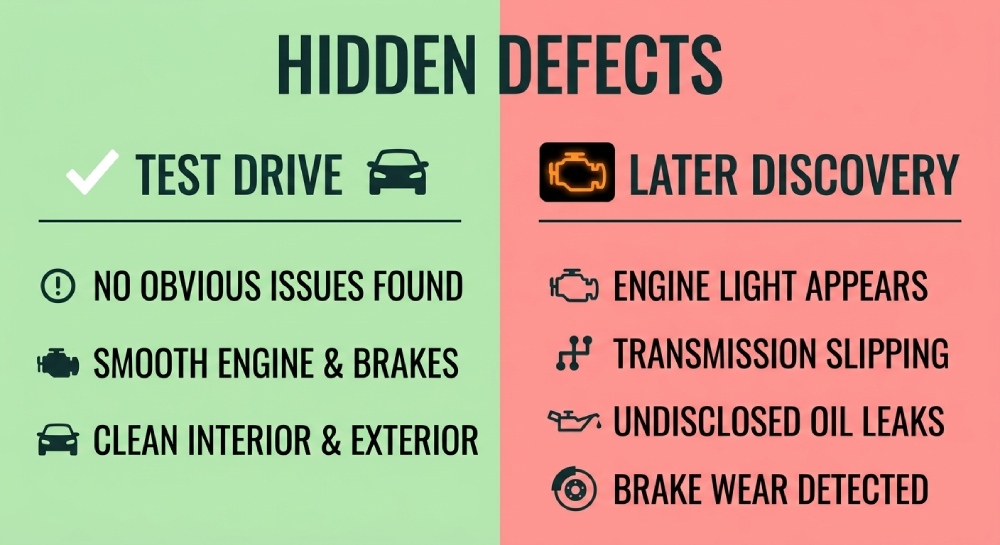
Hidden Defects Can Appear Later
A vehicle may appear to operate normally while a developing mechanical, electrical, or software-related problem remains hidden. For example, an intermittent warning light, recurring electrical failure, unusual transmission behavior, or performance problem may not occur during a short demonstration drive.
A hidden defect can become more apparent after the vehicle has been driven under different conditions.
Keeping records of when the problem first appeared, what happened, and how frequently it occurs can become important later. Photos, videos, dashboard warnings, messages, and other documentation may help establish a timeline.
3. The Dealer or Seller Did Not Clearly Disclose a Known Problem
Another potential issue involves information provided—or not provided—before the purchase or lease.
Keep Evidence of What Was Represented
If a buyer later discovers that a vehicle had a known condition, prior repair, significant mechanical problem, or other relevant issue that was not properly disclosed, questions may arise about the circumstances surrounding the transaction.
However, disclosure requirements and legal remedies differ depending on applicable law and the facts of the transaction. A buyer should not assume that every undisclosed issue automatically qualifies as a lemon law violation.
The important step is to preserve the information available at the time of purchase. Keep the sales contract, warranty documents, vehicle history information, advertisements, inspection reports, emails, text messages, and communications with the seller.
These records can help establish what was represented about the vehicle before the problem was reported.
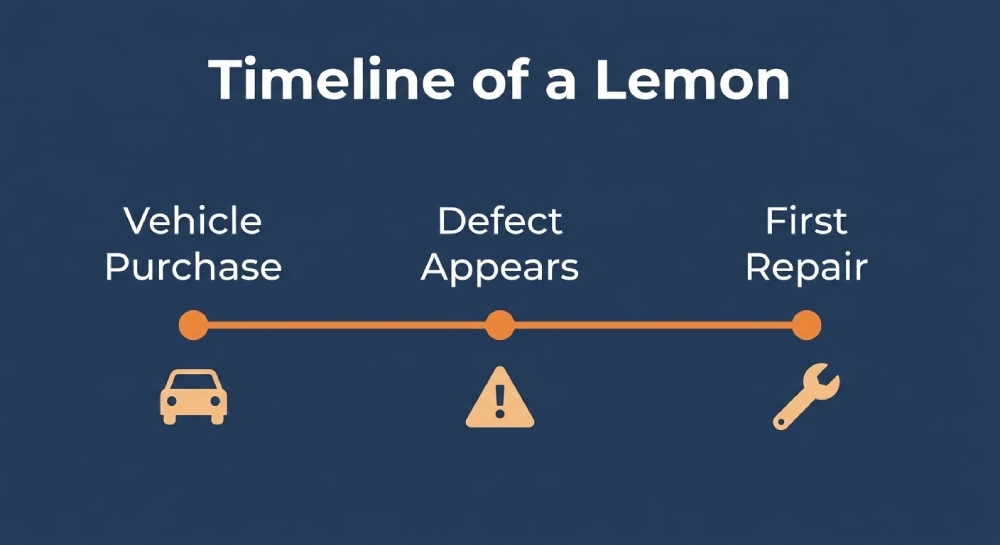
4. The Warranty Does Not Clearly Address the Emerging Problem
Warranty coverage can become important as soon as a defect appears.
Review Your Warranty Coverage
A buyer may assume that any problem with a relatively new vehicle will automatically be covered. In reality, warranty terms can contain specific conditions, exclusions, limitations, and procedures for obtaining repairs.
The problem may also involve a component that the owner does not immediately realize is covered by a warranty.
Before the first repair visit, review the applicable warranty documentation and keep a copy of the relevant terms. If the manufacturer or dealer states that a particular issue is not covered, ask for the explanation in writing when possible.
Understanding the warranty can also help the owner communicate the problem accurately when requesting service.
5. The Defect Is Intermittent and Difficult to Reproduce
Intermittent problems can create complications even before the first official repair attempt.
Document When the Problem Happens
A vehicle might experience a warning light, stalling event, hesitation, electrical malfunction, unusual noise, or other problem only under specific conditions. By the time the vehicle reaches the service department, the issue may temporarily disappear.
That does not necessarily mean the problem is insignificant.
Owners can create useful documentation by recording the circumstances surrounding each occurrence. Note the date, mileage, weather conditions when relevant, driving conditions, warning messages, symptoms, and what happened immediately before and after the problem.
If it is safe and practical, photographs or videos may also help demonstrate an intermittent condition.
This information can give a technician more details to investigate and can create a clearer record of when the defect began.
6. The Owner Delays Reporting a Serious Problem
Waiting too long to report a significant vehicle problem can create unnecessary complications.
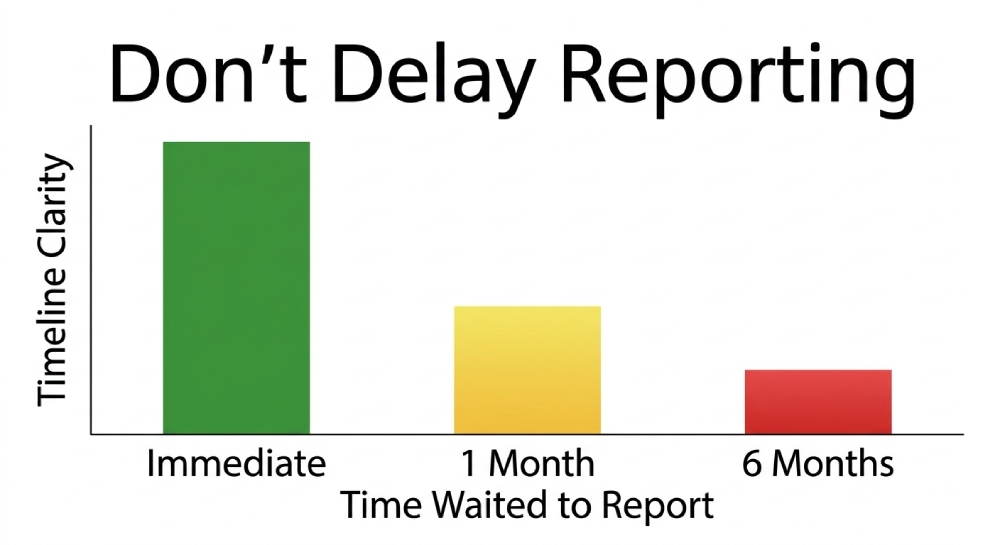
Report Significant Problems Promptly
An owner might initially believe the problem is minor, expect it to disappear, or hesitate to visit a dealership because the vehicle remains drivable. But continued use without reporting the issue may make it harder to establish exactly when the defect began.
The appropriate response depends on the nature of the problem. A minor inconvenience may not require immediate action, while a serious safety-related defect should be addressed promptly.
When a substantial problem occurs, documenting it and notifying the appropriate repair facility or manufacturer can help establish a clear timeline.
Owners should also avoid attempting repairs themselves when doing so could affect warranty coverage or make it harder to determine the original cause of the defect.
7. Important Purchase and Vehicle Records Are Missing
Lemon law disputes can involve much more than repair invoices.
Records Worth Preserving
Before the first repair visit, owners should preserve documents connected with the purchase, lease, warranty, and vehicle's condition. These may include:
Purchase or lease agreements
Financing documents
Vehicle history reports
Inspection records
Advertisements and sales representations
Emails and text messages
Service appointments
Dashboard warnings or photographs
Mileage records
Communications with the dealership or manufacturer
Maintaining these records from the beginning can make it easier to establish what happened and when.
A complete timeline is particularly useful when a vehicle develops a significant defect shortly after purchase. Instead of relying solely on memory, the owner can refer to dated records showing when the problem appeared, when it was reported, and what responses followed.
What to Do When a Problem Appears Before the First Repair
The first step is usually to document the problem carefully. Write down what happened, when it happened, the vehicle's mileage, and whether the problem has occurred more than once.
Review Your Documents
Next, review the warranty and purchase documents. If the problem appears significant, contact the appropriate dealer or manufacturer representative and explain the issue clearly.
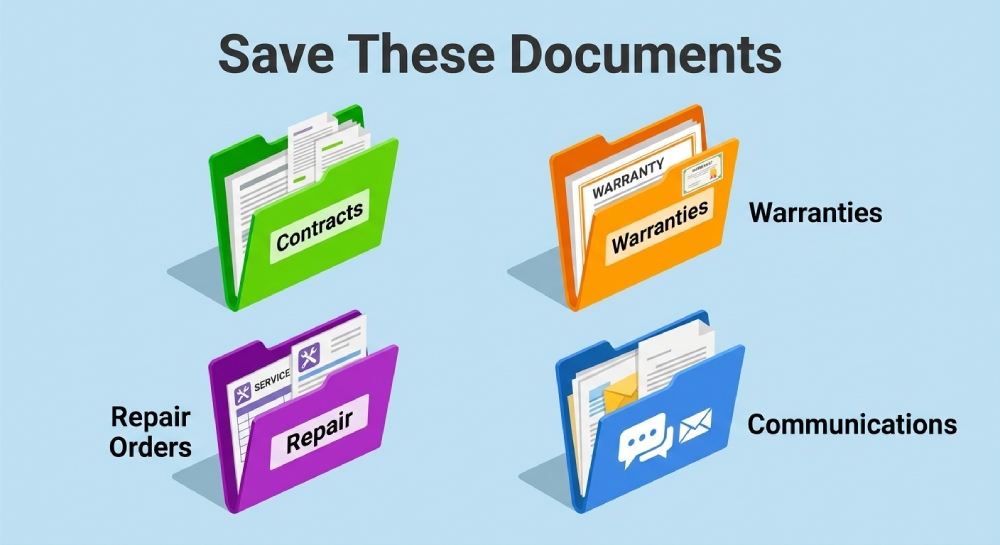
Keep Repair Documentation
When taking the vehicle in for service, describe the symptoms accurately rather than attempting to diagnose the cause yourself. Ask for documentation of the complaint and keep copies of the resulting repair orders and communications.
It is also important to understand that not every vehicle defect qualifies as a lemon law claim. Eligibility can depend on applicable law, warranty status, the seriousness of the defect, repair attempts, time or mileage requirements, and other circumstances.
If the manufacturer or dealer disputes the problem, refuses to address it, or the defect continues despite repair efforts, consulting a qualified lemon law attorney may help you understand the legal options available based on the specific facts.
Final Thoughts
Lemon law problems do not necessarily begin when a vehicle enters the repair department. They can start with a defect discovered shortly after purchase, an intermittent problem that is difficult to reproduce, missing documentation, unclear warranty coverage, or a dispute about what was represented before the transaction.
Recognizing these issues early can help vehicle owners create a reliable record of events and avoid losing important information. Careful documentation does not guarantee a lemon law claim, but it can provide valuable evidence when determining what happened and whether the vehicle may qualify for legal protection.
If a serious defect appears before the first repair visit, take the situation seriously, preserve your records, and seek appropriate professional guidance when needed.
- lemon law
- lemon law problems
- vehicle defects
- defective vehicles
- car warranty
- warranty claims
- vehicle repair
- lemon law attorney
- consumer rights
- vehicle purchase
- car defects
- auto warranty
- vehicle documentation
- repair records
- hidden vehicle defects
- intermittent car problems
- dealership disputes
Think you've got a lemon?
Compare your situation to your state's requirements — and connect with a vetted lemon-law attorney for a free case review.