15 Signs You May Need a Lemon Law Lawyer
This article highlights 15 warning signs that may indicate you should consult a Lemon Law lawyer, including repeated repairs, unresolved safety defects, extended time in the shop, disputed claims, and uncertainty about coverage. It also explains what records to keep when evaluating a potential Lemon Law claim.
By Vishal

Buying or leasing a vehicle should give you dependable transportation—not a recurring trip to the repair shop. When the same vehicle problem keeps coming back, repairs take longer than expected, or your dealership cannot seem to fix a serious defect, you may begin wondering whether you have a lemon law claim.
For example, California's lemon law, which is a part of the Song-Beverly Consumer Warranty Act, can protect consumers who purchase or lease qualifying vehicles that develop substantial warranty problems. However, determining whether your situation qualifies is not always straightforward and is different in each state in USA.
Here are 15 signs that it may be time to speak with a lemon law lawyer about your vehicle.
1. The Same Problem Keeps Coming Back
Repeated repairs for the same defect are one of the clearest reasons to consider getting legal guidance. If you have returned to the dealership multiple times for the same problem and it continues to affect your vehicle, keep your repair records and discuss the situation with a lawyer.
2. Your Vehicle Has Spent Significant Time at the Repair Shop
A vehicle that spends an excessive amount of time being repaired can become more than an inconvenience. Extended repair periods may interfere with your ability to work, travel, or handle everyday responsibilities.
Keep documentation showing when the vehicle entered the repair facility, what work was performed, and when it was returned.
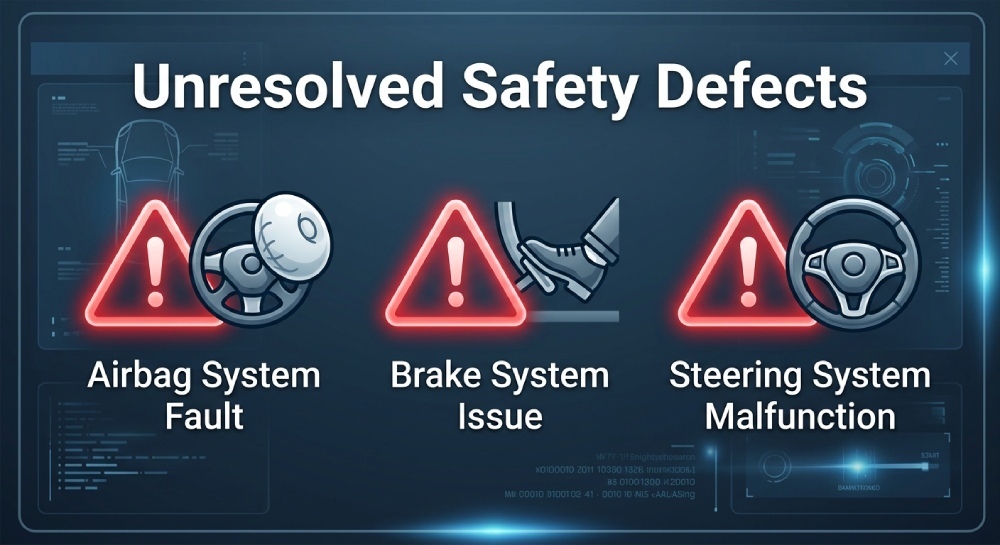
3. The Defect Affects Your Vehicle's Safety
Problems involving brakes, steering, acceleration, airbags, electrical systems, or other safety-related components deserve immediate attention. If a warranty defect creates a significant safety concern and repeated repair attempts have not resolved it, speaking with a Lemon Law lawyers may help you understand your legal options.
4. The Problem Substantially Affects How You Use the Vehicle
Not every vehicle defect automatically makes a car a lemon. However, a problem that substantially affects the vehicle's use, value, or safety may be legally significant.
For example, recurring mechanical, electrical, or performance problems that interfere with normal driving may warrant a closer review of your situation.
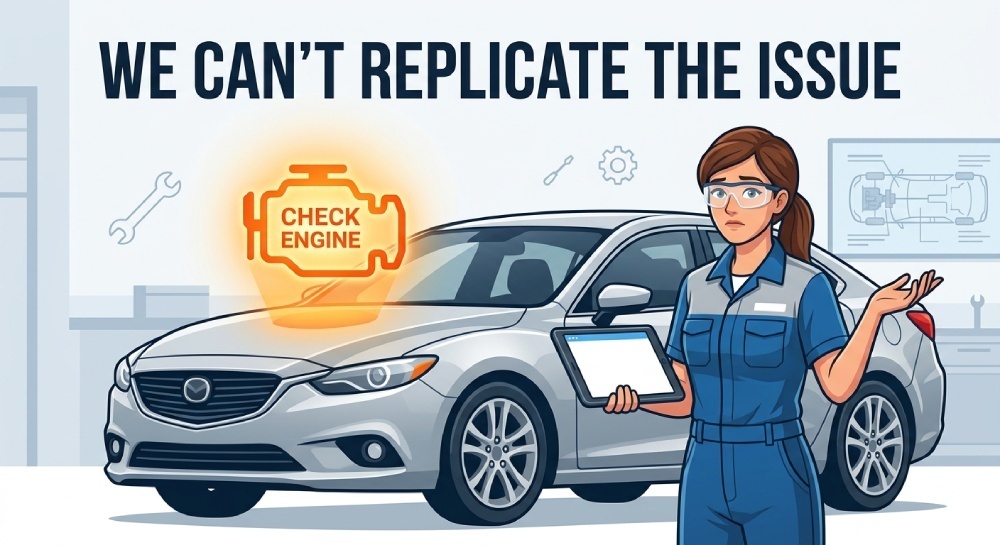
5. The Dealership Says It Cannot Reproduce the Problem
Some vehicle problems happen intermittently. You may experience a warning light, loss of power, unusual noise, or another issue, only for the dealership to say that technicians could not reproduce it.
Do not assume that this automatically ends the matter. Keep records of when the problem occurs, what you experience, and each attempt to have it diagnosed or repaired.
6. You Have Multiple Repair Orders
Repair orders can provide important evidence about your vehicle's history. If you have accumulated several repair orders showing recurring warranty concerns, gather them together.
A Lemon Law lawyer can review the repair history and determine whether the number and nature of repair attempts may be relevant to a potential claim.
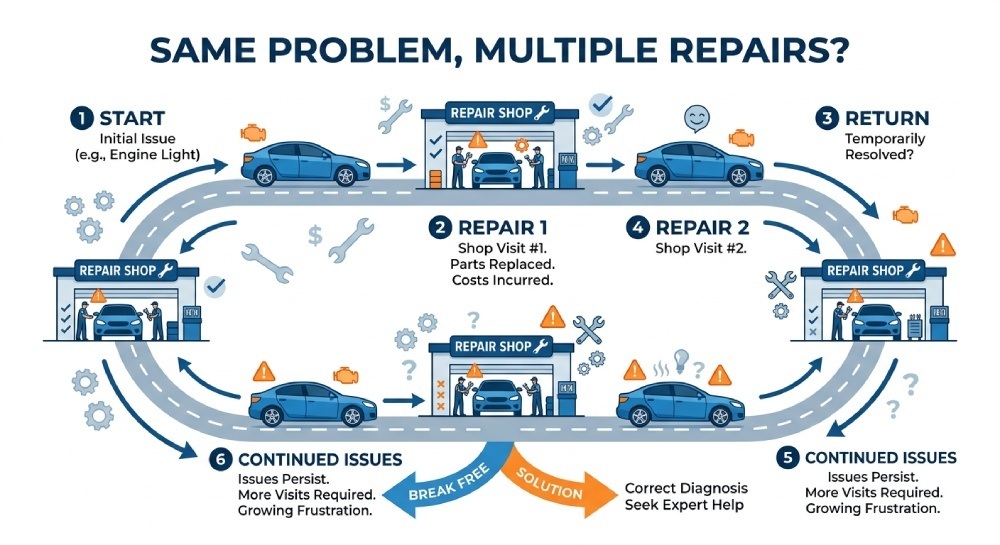
7. Your Vehicle Has Been in the Shop for Different Warranty Problems
A potential Lemon Law issue is not necessarily limited to one identical defect. Multiple serious warranty problems may also deserve legal review, particularly when they substantially affect the vehicle's use, value, or safety.
Your complete repair history can help provide a clearer picture.
8. The Manufacturer Keeps Authorizing Repairs Without Resolving the Problem
Manufacturers and dealerships are generally given opportunities to repair qualifying warranty problems. But if repeated repair attempts fail to correct a substantial defect, you may want to have your situation reviewed by a lawyer.
Do not rely only on verbal conversations. Keep copies of repair orders, invoices, correspondence, and other documentation.
9. You Have Been Told to "Just Live With" the Problem
A vehicle should perform according to the applicable warranty terms. If you are repeatedly told that a recurring problem is "normal" or that there is nothing more that can be done, consider documenting those conversations.
A lawyer can help determine whether the problem may be significant under Lemon Law.
10. You Are Unsure Whether Your Vehicle Is Covered
Consumers sometimes assume that Lemon Law protection applies only to brand-new cars. In some cases, Lemon Law can potentially cover certain new and used vehicles, depending on factors such as the vehicle's warranty coverage and the circumstances of the purchase or lease.
Because eligibility can depend on specific facts, it is worth getting legal advice if you are uncertain.
11. Your Vehicle Is Still Under the Manufacturer's Warranty
Warranty coverage can be an important factor in a Lemon Law case. If your vehicle is experiencing recurring problems while covered by the manufacturer's warranty, keep detailed records of every repair attempt.
Do not wait until you have lost your paperwork to start organizing your records.
12. You Are Still Making Payments on a Problem Vehicle
Making monthly payments on a vehicle that repeatedly requires repairs can be frustrating, especially when you are not receiving the reliable transportation you expected.
If you believe your vehicle may qualify under the Lemon Law in your state, discuss your circumstances with a lawyer before making decisions about your loan or lease payments.
13. You Are Unsure What Compensation May Be Available
Consumers often have questions about what happens if a vehicle qualifies as a lemon. Depending on the circumstances, Lemon Law remedies may include a vehicle replacement or a repurchase, subject to applicable legal requirements and potential deductions.
A lawyer can review your individual situation and explain which remedies may potentially apply.
14. The Manufacturer Is Disputing Your Claim
Sometimes a manufacturer may disagree that a vehicle qualifies under the Lemon Law. You may receive arguments that there were not enough repair attempts, that the defect is not substantial, or that another requirement has not been satisfied.
When the manufacturer disputes your position, professional legal guidance can help you understand the evidence and arguments involved.
15. You Are Simply Unsure What to Do Next
You do not need to wait until the situation becomes overwhelming before seeking information. If you have a vehicle with recurring warranty problems, gathering your documents and discussing your circumstances with a Lemon Law lawyer can help you understand your options.
Bring your purchase or lease agreement, warranty documents, repair orders, invoices, communications with the dealership or manufacturer, and notes about when problems occurred.
What Should You Do If You Think You Have a Lemon?
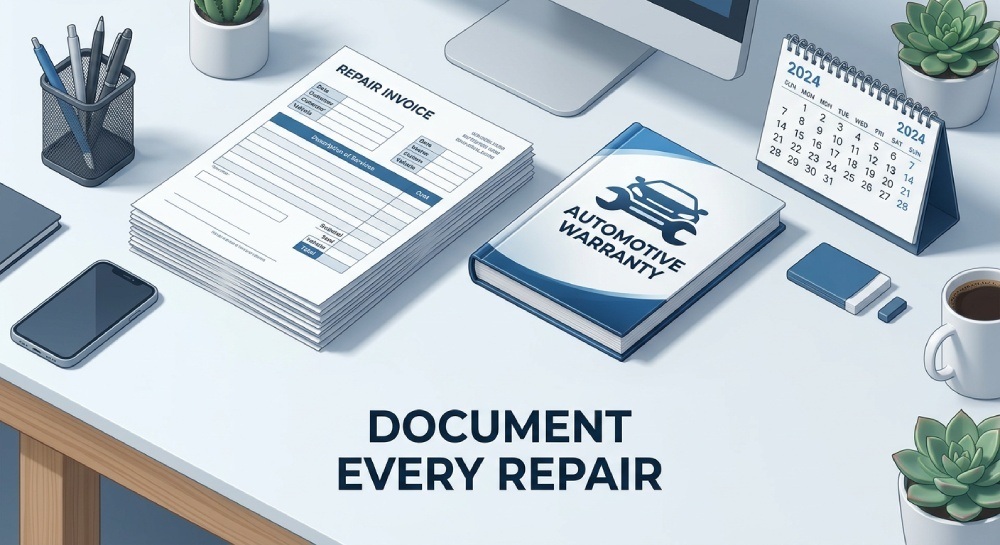
Start by creating a complete record of your vehicle's repair history. Save every repair order and invoice, even if the repair was unsuccessful or the dealership says it could not reproduce the problem.
You should also write down important details, including:
The date each problem occurred
The symptoms you experienced
When the vehicle was taken to the dealership
What the dealership attempted to repair
How long the vehicle remained at the repair facility
Whether the problem returned after the repair
Any communication with the manufacturer or dealership
Avoid assuming that one particular number of repair attempts automatically determines whether a vehicle is a lemon. Lemon Law cases depend on the specific facts, warranty coverage, repair history, and nature of the defects.
Don't Ignore Repeated Vehicle Problems
A recurring vehicle defect can become frustrating, expensive, and disruptive. If your vehicle has been repeatedly repaired without resolving a substantial warranty problem, the situation may deserve a closer legal review.
Recognizing the warning signs early can help you preserve important documentation and better understand your rights. If several of the signs above apply to your vehicle, consider speaking with a Lemon Law lawyer about your specific circumstances.
The sooner you organize your records and understand your options, the easier it can be to determine what steps may be appropriate for your situation.
- lemon law
- lemon law lawyer
- lemon law claims
- lemon vehicle
- lemon law rights
- vehicle warranty
- warranty defects
- repeated vehicle repairs
Think you've got a lemon?
Compare your situation to your state's requirements — and connect with a vetted lemon-law attorney for a free case review.